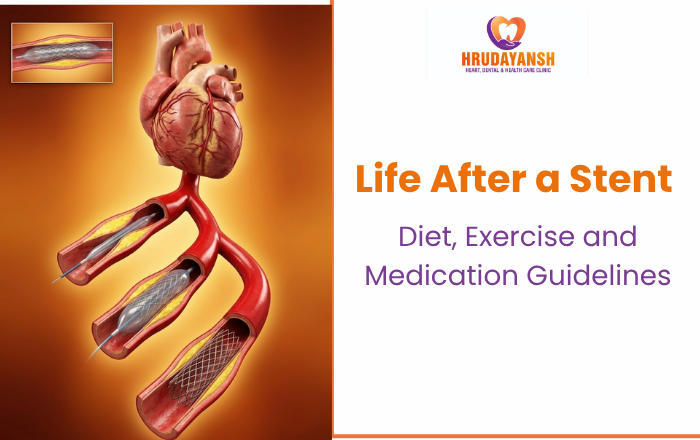
Having a coronary stent can restore blood flow through a narrowed or blocked heart artery, but the procedure is only one part of heart care. What you do after stent placement also plays an important role in protecting your heart and reducing the risk of future cardiovascular problems.
A healthy diet, gradual return to physical activity, taking prescribed medicines regularly, managing risk factors and attending follow-up appointments are all important parts of life after a stent. Your exact recommendations may differ depending on why the stent was placed, your other medical conditions, the type of procedure and your cardiologist’s assessment.
What Should You Do After Getting a Heart Stent?
After a stent procedure, the main goals are to protect the stent, prevent blood clots, control cardiovascular risk factors and support overall heart health.
Your recovery plan may include:
- Taking all prescribed medicines exactly as directed
- Following a heart healthy eating pattern
- Gradually returning to physical activity
- Avoiding smoking and tobacco
- Maintaining a healthy weight
- Controlling blood pressure, cholesterol and blood sugar
- Attending scheduled cardiology follow-ups
- Participating in cardiac rehabilitation when recommended
A stent opens a narrowed artery, but it does not remove the underlying tendency toward coronary artery disease. Long term lifestyle and medical management therefore remain important.
Life After a Stent: Medication Guidelines
Medicines are an important part of recovery after angioplasty and stent placement. Many patients are prescribed antiplatelet medicines to reduce the chance of a blood clot forming inside the stent.
Depending on your condition, your cardiologist may also prescribe medicines to manage cholesterol, blood pressure, heart rate or other cardiovascular risk factors.
Never stop heart medicines on your own
One of the most important medication rules after stenting is to take prescribed medicines consistently and never stop them without speaking to your cardiologist.
Stopping an antiplatelet medicine suddenly can increase the risk of a serious clot, particularly when treatment is still required after stent placement.
If you experience side effects, forget doses frequently, have difficulty affording medicines or need another procedure or surgery, discuss this with your doctor rather than changing the medication yourself.
The duration and combination of medicines vary from person to person. Your cardiologist will decide what is appropriate based on your stent, medical history, bleeding risk and other factors.
What Diet Is Best After a Heart Stent?
There is no single food that can “clean” or protect a stent. Instead, focus on an overall eating pattern that supports heart health.
A heart healthy diet generally includes:
- Plenty of vegetables and fruits
- Whole grains such as oats, brown rice and whole wheat
- Pulses, beans and legumes
- Nuts and seeds in appropriate portions
- Fish and other nutritious protein sources, when suitable
- Low fat or appropriate dairy choices
- Healthy cooking oils in moderate amounts
Try to reduce foods that are high in saturated fat, trans fat, excess salt and added sugar.
Foods to limit after stenting
You may benefit from limiting:
- Deep fried foods
- Processed and packaged snacks
- Bakery products high in saturated fat
- Processed meats
- Excessively salty foods
- Sugary beverages
- Large quantities of sweets and desserts
- Foods containing substantial amounts of unhealthy fats
Indian meals can also be heart healthy with practical changes. Choose more vegetables, dals, whole grains and home cooked foods while keeping salt, fried foods and excessive oil under control.
If you have diabetes, kidney disease, high cholesterol or high blood pressure, your dietary requirements may need further adjustment.
When Can You Exercise After a Stent?
Most people are encouraged to become physically active after coronary angioplasty, but the timing and intensity should be guided by their healthcare team.
For many patients, light activity such as walking is introduced gradually after the procedure. As recovery progresses, physical activity can usually be increased according to medical advice.
Do not suddenly return to intense exercise or heavy lifting simply because you feel better.
A supervised cardiac rehabilitation program can be particularly useful for people recovering from a heart event or procedure. It may combine exercise, education and lifestyle support under appropriate medical supervision.
A practical approach to physical activity
Once your doctor confirms that exercise is appropriate:
- Begin with gentle activity.
- Increase duration and intensity gradually.
- Include adequate warm-up and cool-down.
- Pay attention to how your body feels during activity.
- Follow any restrictions provided after your procedure.
- Ask your cardiologist when you can safely resume strenuous exercise, gym workouts or heavy lifting.
If exercise causes chest discomfort, unusual breathlessness, dizziness or fainting, stop and seek medical advice.
Can You Live a Normal Life After a Stent?
Yes, many people return to their usual activities after recovery from coronary angioplasty and stent placement. However, having a stent does not mean that coronary artery disease has permanently gone away.
Long term heart health depends on controlling the factors that contributed to artery disease.
This includes:
- Keeping blood pressure within the recommended range
- Managing cholesterol
- Controlling diabetes if present
- Maintaining a healthy weight
- Staying physically active
- Avoiding tobacco
- Getting adequate sleep
- Managing stress in healthy ways
- Taking prescribed medicines regularly
Your doctor may recommend periodic tests or follow-up appointments depending on your symptoms and overall cardiovascular risk.
What Should You Avoid After a Stent?
Some restrictions are temporary, particularly during the initial recovery period. Your doctor will tell you when it is safe to return to specific activities.
In general, avoid:
- Smoking and tobacco use
- Stopping prescribed heart medicines without medical advice
- Immediately returning to strenuous exercise
- Ignoring new or worsening symptoms
- Frequently eating highly processed or salty foods
- Missing important follow-up appointments
Alcohol intake should also be discussed with your doctor, particularly if you take medicines that may interact with alcohol or have other health conditions.
When Should You Consult a Doctor?
After a stent procedure, new or worsening symptoms should not be ignored.
Seek urgent medical attention if you develop symptoms such as:
- New, severe or persistent chest pain or pressure
- Significant difficulty breathing
- Fainting or near-fainting
- Sudden severe weakness or other concerning symptoms
- Symptoms that resemble those experienced during your previous heart problem
Not every symptom after a stent indicates a problem with the stent. However, chest symptoms or other concerning changes require appropriate medical assessment rather than self-diagnosis.
You should also contact your doctor if you experience troublesome medication side effects, unusual bleeding or difficulty taking your medicines as prescribed.
Long Term Heart Care After Stenting
A stent is one part of coronary artery disease treatment. Long term management focuses on reducing the likelihood of further artery narrowing and other cardiovascular complications.
Your cardiologist may assess your cholesterol, blood pressure, blood sugar, lifestyle habits, symptoms and medication response during follow-up visits.
If you have been advised to undergo cardiac rehabilitation, participating in the program can help you understand how to exercise safely and make sustainable lifestyle changes.
Remember that your recovery plan should be individualized. Someone who had a stent after a heart attack may have different recommendations from someone who underwent elective angioplasty for stable coronary artery disease.
Frequently Asked Questions
1. Can I eat normally after getting a stent?
You can continue eating a varied diet, but a heart healthy eating pattern is recommended. Focus on vegetables, fruits, whole grains, pulses and other nutritious foods while limiting excess salt, fried foods, processed foods, unhealthy fats and added sugar.
2. Can I exercise after a heart stent?
Yes, physical activity is generally an important part of recovery, but the timing and intensity should be determined by your healthcare team. Start gradually and ask your cardiologist before returning to strenuous exercise.
3. How long do I need to take medicines after a stent?
The duration varies according to your individual situation, the type of stent, why it was placed and your risk of clotting or bleeding. Take medicines exactly as prescribed and do not stop antiplatelet treatment without medical advice.
4. Can a stent get blocked again?
A stent can develop narrowing again in some cases, although the risk varies. Disease can also affect other coronary arteries. This is why medication, lifestyle changes and appropriate follow-up remain important after stenting.
Need Guidance After a Heart Stent? Consult a Cardiologist
Life after a stent is not simply about recovering from the procedure. It is about protecting your heart over the long term. Take prescribed medicines consistently, choose a heart healthy diet, return to exercise gradually, avoid tobacco and keep conditions such as high blood pressure, diabetes and high cholesterol under control.
Your recovery and long term treatment plan should always be based on your individual medical history and your cardiologist’s advice.
If you have questions about heart health, recovery after angioplasty or managing cardiovascular risk factors, consulting a qualified cardiologist can help you understand the right next steps. Dr. Digvijay Nalawade, DM (Cardiology), MD (Medicine), MBBS, with 18+ years of experience, provides cardiology consultation at Hrudayansh Clinic, Baner, Pune.