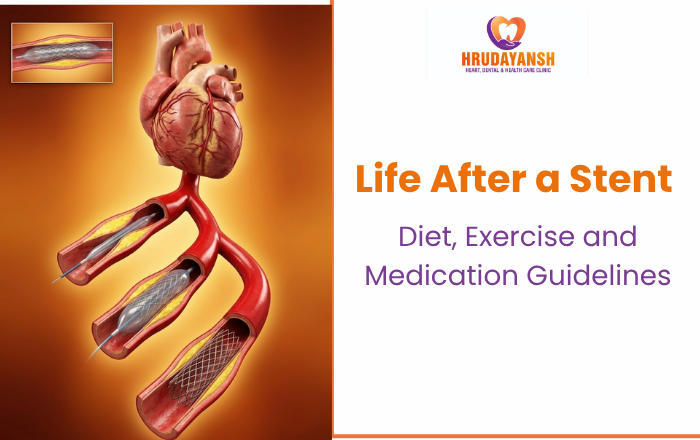
Life After a Stent: Diet, Exercise and Medication Guidelines

Having a coronary stent can restore blood flow through a narrowed or blocked heart artery, but the procedure is only one part of heart care. What you do after stent placement also plays an important role in protecting your heart and reducing the risk of future cardiovascular problems.

A healthy diet, gradual return to physical activity, taking prescribed medicines regularly, managing risk factors and attending follow-up appointments are all important parts of life after a stent. Your exact recommendations may differ depending on why the stent was placed, your other medical conditions, the type of procedure and your cardiologist’s assessment.

What Should You Do After Getting a Heart Stent?

After a stent procedure, the main goals are to protect the stent, prevent blood clots, control cardiovascular risk factors and support overall heart health.

Your recovery plan may include:

  • Taking all prescribed medicines exactly as directed
  • Following a heart healthy eating pattern
  • Gradually returning to physical activity
  • Avoiding smoking and tobacco
  • Maintaining a healthy weight
  • Controlling blood pressure, cholesterol and blood sugar
  • Attending scheduled cardiology follow-ups
  • Participating in cardiac rehabilitation when recommended

A stent opens a narrowed artery, but it does not remove the underlying tendency toward coronary artery disease. Long term lifestyle and medical management therefore remain important.

Life After a Stent: Medication Guidelines

Medicines are an important part of recovery after angioplasty and stent placement. Many patients are prescribed antiplatelet medicines to reduce the chance of a blood clot forming inside the stent.

Depending on your condition, your cardiologist may also prescribe medicines to manage cholesterol, blood pressure, heart rate or other cardiovascular risk factors.

Never stop heart medicines on your own

One of the most important medication rules after stenting is to take prescribed medicines consistently and never stop them without speaking to your cardiologist.

Stopping an antiplatelet medicine suddenly can increase the risk of a serious clot, particularly when treatment is still required after stent placement.

If you experience side effects, forget doses frequently, have difficulty affording medicines or need another procedure or surgery, discuss this with your doctor rather than changing the medication yourself.

The duration and combination of medicines vary from person to person. Your cardiologist will decide what is appropriate based on your stent, medical history, bleeding risk and other factors.

What Diet Is Best After a Heart Stent?

There is no single food that can “clean” or protect a stent. Instead, focus on an overall eating pattern that supports heart health.

A heart healthy diet generally includes:

  • Plenty of vegetables and fruits
  • Whole grains such as oats, brown rice and whole wheat
  • Pulses, beans and legumes
  • Nuts and seeds in appropriate portions
  • Fish and other nutritious protein sources, when suitable
  • Low fat or appropriate dairy choices
  • Healthy cooking oils in moderate amounts

Try to reduce foods that are high in saturated fat, trans fat, excess salt and added sugar.

Foods to limit after stenting

You may benefit from limiting:

  • Deep fried foods
  • Processed and packaged snacks
  • Bakery products high in saturated fat
  • Processed meats
  • Excessively salty foods
  • Sugary beverages
  • Large quantities of sweets and desserts
  • Foods containing substantial amounts of unhealthy fats

Indian meals can also be heart healthy with practical changes. Choose more vegetables, dals, whole grains and home cooked foods while keeping salt, fried foods and excessive oil under control.

If you have diabetes, kidney disease, high cholesterol or high blood pressure, your dietary requirements may need further adjustment.

When Can You Exercise After a Stent?

Most people are encouraged to become physically active after coronary angioplasty, but the timing and intensity should be guided by their healthcare team.

For many patients, light activity such as walking is introduced gradually after the procedure. As recovery progresses, physical activity can usually be increased according to medical advice.

Do not suddenly return to intense exercise or heavy lifting simply because you feel better.

A supervised cardiac rehabilitation program can be particularly useful for people recovering from a heart event or procedure. It may combine exercise, education and lifestyle support under appropriate medical supervision.

A practical approach to physical activity

Once your doctor confirms that exercise is appropriate:

  1. Begin with gentle activity.
  2. Increase duration and intensity gradually.
  3. Include adequate warm-up and cool-down.
  4. Pay attention to how your body feels during activity.
  5. Follow any restrictions provided after your procedure.
  6. Ask your cardiologist when you can safely resume strenuous exercise, gym workouts or heavy lifting.

If exercise causes chest discomfort, unusual breathlessness, dizziness or fainting, stop and seek medical advice.

Can You Live a Normal Life After a Stent?

Yes, many people return to their usual activities after recovery from coronary angioplasty and stent placement. However, having a stent does not mean that coronary artery disease has permanently gone away.

Long term heart health depends on controlling the factors that contributed to artery disease.

This includes:

  • Keeping blood pressure within the recommended range
  • Managing cholesterol
  • Controlling diabetes if present
  • Maintaining a healthy weight
  • Staying physically active
  • Avoiding tobacco
  • Getting adequate sleep
  • Managing stress in healthy ways
  • Taking prescribed medicines regularly

Your doctor may recommend periodic tests or follow-up appointments depending on your symptoms and overall cardiovascular risk.

What Should You Avoid After a Stent?

Some restrictions are temporary, particularly during the initial recovery period. Your doctor will tell you when it is safe to return to specific activities.

In general, avoid:

  • Smoking and tobacco use
  • Stopping prescribed heart medicines without medical advice
  • Immediately returning to strenuous exercise
  • Ignoring new or worsening symptoms
  • Frequently eating highly processed or salty foods
  • Missing important follow-up appointments

Alcohol intake should also be discussed with your doctor, particularly if you take medicines that may interact with alcohol or have other health conditions.

When Should You Consult a Doctor?

After a stent procedure, new or worsening symptoms should not be ignored.

Seek urgent medical attention if you develop symptoms such as:

  • New, severe or persistent chest pain or pressure
  • Significant difficulty breathing
  • Fainting or near-fainting
  • Sudden severe weakness or other concerning symptoms
  • Symptoms that resemble those experienced during your previous heart problem

Not every symptom after a stent indicates a problem with the stent. However, chest symptoms or other concerning changes require appropriate medical assessment rather than self-diagnosis.

You should also contact your doctor if you experience troublesome medication side effects, unusual bleeding or difficulty taking your medicines as prescribed.

Long Term Heart Care After Stenting

A stent is one part of coronary artery disease treatment. Long term management focuses on reducing the likelihood of further artery narrowing and other cardiovascular complications.

Your cardiologist may assess your cholesterol, blood pressure, blood sugar, lifestyle habits, symptoms and medication response during follow-up visits.

If you have been advised to undergo cardiac rehabilitation, participating in the program can help you understand how to exercise safely and make sustainable lifestyle changes.

Remember that your recovery plan should be individualized. Someone who had a stent after a heart attack may have different recommendations from someone who underwent elective angioplasty for stable coronary artery disease.

Frequently Asked Questions

1. Can I eat normally after getting a stent?

You can continue eating a varied diet, but a heart healthy eating pattern is recommended. Focus on vegetables, fruits, whole grains, pulses and other nutritious foods while limiting excess salt, fried foods, processed foods, unhealthy fats and added sugar.

2. Can I exercise after a heart stent?

Yes, physical activity is generally an important part of recovery, but the timing and intensity should be determined by your healthcare team. Start gradually and ask your cardiologist before returning to strenuous exercise.

3. How long do I need to take medicines after a stent?

The duration varies according to your individual situation, the type of stent, why it was placed and your risk of clotting or bleeding. Take medicines exactly as prescribed and do not stop antiplatelet treatment without medical advice.

4. Can a stent get blocked again?

A stent can develop narrowing again in some cases, although the risk varies. Disease can also affect other coronary arteries. This is why medication, lifestyle changes and appropriate follow-up remain important after stenting.

Need Guidance After a Heart Stent? Consult a Cardiologist

Life after a stent is not simply about recovering from the procedure. It is about protecting your heart over the long term. Take prescribed medicines consistently, choose a heart healthy diet, return to exercise gradually, avoid tobacco and keep conditions such as high blood pressure, diabetes and high cholesterol under control.

Your recovery and long term treatment plan should always be based on your individual medical history and your cardiologist’s advice.

If you have questions about heart health, recovery after angioplasty or managing cardiovascular risk factors, consulting a qualified cardiologist can help you understand the right next steps. Dr. Digvijay Nalawade, DM (Cardiology), MD (Medicine), MBBS, with 18+ years of experience, provides cardiology consultation at Hrudayansh Clinic, Baner, Pune.

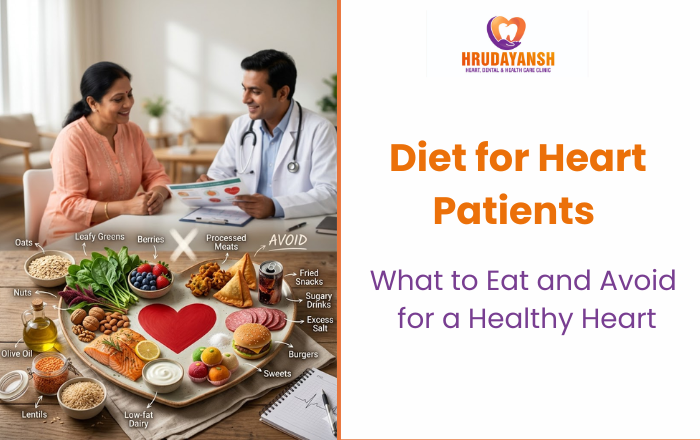
Diet for Heart Patients: What to Eat and Avoid for a Healthy Heart

Imagine being told that what you put on your plate every single day could either protect your heart or slowly damage it. Sounds powerful, right? The truth is, your diet for heart patients plays a huge role in how well your heart functions, how fast you recover from a cardiac event, and how long you stay healthy. If you or someone you love has been diagnosed with a heart condition, this blog will walk you through exactly what to eat, what to avoid, and how to build simple habits that your heart will thank you for.

Why Your Diet Matters More Than You Think

Your heart works 24 hours a day, 7 days a week. Every meal you eat either supports that work or adds to its burden. A poor heart patient diet can raise bad cholesterol, increase blood pressure, trigger inflammation, and cause dangerous plaque buildup in your arteries. On the other hand, the right foods can reduce these risks significantly. According to the World Health Organization, nearly 80% of premature heart disease cases are preventable and diet is one of the biggest factors.

Best Foods to Include in a Heart-Healthy Diet

1. Fatty Fish

Salmon, mackerel, and sardines are loaded with Omega-3 fatty acids, which reduce inflammation and lower triglyceride levels. Aim for at least two servings per week.

2. Leafy Greens

Spinach, methi, and palak are rich in Vitamin K and dietary nitrates, which help keep your arteries flexible and your blood pressure in check. Add them to your dal, rotis, or a simple stir-fry.

3. Oats and Whole Grains

Oats contain a powerful fiber called beta-glucan that actively lowers LDL (bad) cholesterol. Swap your white bread and maida-based snacks for oats, brown rice, or whole wheat options.

4. Nuts and Seeds

Walnuts, flaxseeds, and chia seeds are small but incredibly effective. A small handful daily can improve cholesterol levels and reduce inflammation. These are easy to add to your morning oats or a glass of buttermilk.

5. Lentils and Legumes

Dal, rajma, and chana are the backbone of the Indian kitchen — and they are truly excellent for a diet for heart disease patients. High in fiber and plant-based protein, they help manage cholesterol and keep blood sugar stable.

6. Fruits Rich in Antioxidants

Pomegranate, amla, and bananas are powerful additions to your daily heart-healthy diet. Pomegranate reduces arterial stiffness, amla is packed with Vitamin C, and bananas provide potassium that helps regulate blood pressure.

7. Garlic

Raw garlic contains allicin, a natural compound known to lower blood pressure and reduce cholesterol. Even adding it to your everyday cooking makes a difference.

Foods That Heart Patients Must Avoid

Just as some foods heal, others cause serious harm. Here is what to keep away from:

  1. Trans fats are the worst offenders. Found in packaged biscuits, namkeen, frozen snacks, and bakery products, they raise bad cholesterol and lower good cholesterol simultaneously. Always check food labels.
  2. Excess salt and sodium directly raise blood pressure and force the heart to work harder. Avoid adding extra salt at the table and cut down on pickles, papad, and processed foods.
  3. Refined sugar and sugary drinks raise triglyceride levels and contribute to weight gain, both of which are dangerous for heart patients. Even seemingly healthy options like packaged fruit juices are loaded with hidden sugar.
  4. Fried and fast foods — that one samosa or vada pav may feel harmless, but the poor-quality oils used in frying cause significant damage over time. Opt for steamed, baked, or air-fried versions instead.
  5. Red meat and processed meats like sausages and salami are high in saturated fat. Replace them with fish, lentils, tofu, or egg whites.

Simple Tips to Make Your Heart Patient Diet Work Every Day

  • Cook with less oil try steaming, boiling, and air-frying more often
  • Use mustard oil or groundnut oil in small quantities instead of vanaspati
  • Replace sugary chai with green tea or plain buttermilk
  • Keep healthy snacks like roasted chana or a fruit bowl within easy reach
  • Eat smaller meals more frequently rather than two or three large meals

Frequently Asked Questions

Q1. Can heart patients eat rice?

Yes, in moderate portions. Brown rice is a better option, but small servings of white rice with dal and vegetables are acceptable.

Q2. Is ghee bad for heart patients?

A small amount of pure desi ghee (around 1 teaspoon per day) may be acceptable, but excess ghee should be avoided.

Q3. What is the best breakfast for heart patients?

Oats porridge, vegetable poha, or whole wheat upma with a handful of nuts and a fresh fruit are excellent morning options.

Have questions? We’re just a message away! Contact us on WhatsApp — Click Here to Chat with Us

Take the Next Step for Your Heart

Changing your diet for heart patients is one of the most meaningful decisions you can make but food alone works best when paired with proper medical guidance. If you are in Pune and looking for trusted cardiac consultation, we recommend visiting Dr. Digvijay Nalawade, a Heart Specialist in Baner, Pune, at Hrudayansh Multispeciality Clinic. Dr. Nalawade helps heart patients build practical treatment and lifestyle plans suited to their specific condition.

Name – Dr. Digvijay D Nalawade | Hrudayansh Clinic | Best Cardiologist in Baner | Heart Specialist Doctor in Baner, Pune

Address: 2nd floor, Imperial Commercial spaces, S 12/14, Pancard Club Rd, behind Murkute garden, Baner Gaon, Baner, Pune, Maharashtra 411069

Phone: 97307 11491

Book your consultation today because your heart deserves the very best care you can give it.


High Cholesterol: Symptoms, Causes & Best Treatment Options

Introduction

You feel fine. No pain, no dizziness, no warning signs — yet your blood report tells a very different story.
This is exactly how high cholesterol works. It builds up silently inside your arteries for years, and most people don’t find out until something serious — like a heart attack or stroke — forces them to pay attention.
The good news is that high cholesterol is one of the most manageable conditions when caught early. In this blog, we’ll break down what causes it, what signs to look for, and what actually works to treat it — explained in plain, simple language.

What Is High Cholesterol?

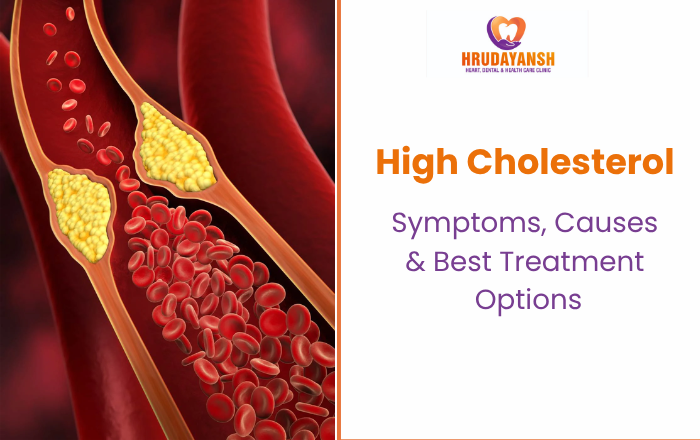
Cholesterol is a fatty substance made by your liver. Your body needs some of it — it helps make hormones and supports cell function. The problem begins when there’s too much of the wrong kind in your blood.
There are two main types:

LDL cholesterol (bad) — builds up in artery walls and causes blockages
HDL cholesterol (good) — helps clear cholesterol from the blood

When your LDL cholesterol stays high for too long, it gradually narrows your arteries, raising your risk of heart attack and stroke. A total cholesterol level above 200 mg/dL is considered high and needs attention.

Warning Signs of High Cholesterol

Here’s the hard truth: high cholesterol usually has no symptoms at all. Most people feel completely normal while the damage quietly happens inside.
In severe cases, some physical signs may appear:

  • Xanthomas — yellowish, waxy lumps under the skin near the elbows or knees
  • Xanthelasma — small yellow patches on or around the eyelids
  • Corneal arcus — a grey or white ring around the outer edge of the eye
  • Chest tightness or pain — a late sign that arteries are already narrowed
  • Unexplained tiredness or breathlessness — often ignored, but worth checking

If you notice any of these, get a cholesterol test done right away. And even if you feel perfectly healthy — if you haven’t checked in a while, now is the right time.

What Causes High Cholesterol?

High cholesterol doesn’t always come from eating too much ghee or fried food. Several factors play a role:

  1. Poor diet — too much saturated fat from red meat, butter, and processed foods raises LDL cholesterol
  2. Lack of physical activity — sitting too much lowers your “good” HDL cholesterol
  3. Excess body weight — especially belly fat, which directly worsens your cholesterol levels
  4. Genetics — some people inherit a condition called familial hypercholesterolaemia, which causes high cholesterol from birth, regardless of their diet
  5. Diabetes — disrupts how the body processes fats in the blood
  6. Thyroid issues — an underactive thyroid slows the removal of LDL cholesterol from the body
  7. Certain medicines — including some blood pressure drugs and steroids

How Is High Cholesterol Diagnosed?

A simple blood test called a lipid profile checks your total cholesterol, LDL, HDL, and triglycerides. You fast for 9–12 hours before the test.
If you’re over 20, doctors recommend checking your cholesterol every 4–6 years — and every year if you have diabetes, blood pressure, or a family history of heart disease.

Treatment Options for High Cholesterol

Medicines That Help
When lifestyle changes aren’t enough, your doctor may prescribe:

  • Statins (e.g., atorvastatin, rosuvastatin) — the most common cholesterol-lowering medications, proven to reduce LDL by up to 50%
  • Ezetimibe — reduces how much cholesterol your intestine absorbs
  • PCSK9 inhibitors — injectable medicines for very high LDL cholesterol or statin intolerance
  • Fibrates — mainly used to lower high triglycerides

Never start or stop cholesterol medicines on your own. Always follow your doctor’s guidance.

Lifestyle Changes That Actually Work
Small, consistent habits make a real difference in managing high cholesterol:

  • Eat more fibre — oats, lentils, fruits, and vegetables help lower LDL cholesterol naturally
  • Exercise 30 minutes a day, 5 days a week — even brisk walking counts
  • Cut down on fried foods, red meat, and packaged snacks
  • Quit smoking — it lowers your “good” HDL cholesterol significantly
  • Keep your weight in a healthy range
  • Manage stress — chronic stress raises cholesterol and blood pressure together

When Should You See a Doctor?

See a cardiologist if your cholesterol stays high despite lifestyle changes, or if you have chest pain, breathlessness, or a family history of early heart attacks.

Consult Dr. Digvijay Nalawade — Cardiologist at Hrudayansh Multispeciality Clinic, Baner

If your cholesterol report has you worried, don’t wait. Dr. Digvijay Nalawade, a trusted cardiologist at Hrudayansh Multispeciality Clinicin Baner, Pune, helps patients understand their cholesterol levels, find the root cause, and follow a treatment plan that fits their life — whether that means diet changes, medicines, or both.

Book your appointment today and take the first step toward a healthier heart.

Angioplasty vs Bypass Surgery: Which Is Better for Your Heart?

If you or someone close to you has been told that your heart arteries are blocked, the next question is almost always the same Do I need angioplasty or bypass surgery? It’s a scary moment, and it’s completely normal to feel confused. Both procedures save lives, but they work differently and suit different situations. Let’s break it down in simple, clear language so you can walk into your doctor’s appointment feeling informed and confident.

What Is Angioplasty?

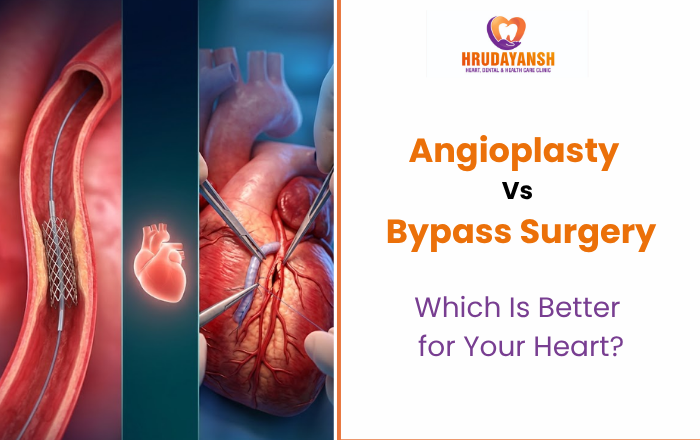
Angioplasty (also called PCI — Percutaneous Coronary Intervention) is a procedure that opens up a blocked or narrowed heart artery without open-chest surgery.

A thin tube is passed through your wrist or groin into the blocked artery. A small balloon is inflated to push the blockage open, and in most cases, a stent (a tiny wire mesh) is placed to keep the artery open. The whole thing usually takes 1 to 2 hours, and most patients go home the next day.

Angioplasty works best when:

  • You have 1 or 2 blocked arteries
  • You need emergency treatment during a heart attack
  • You are not fit enough for major surgery

What Is Bypass Surgery?

Bypass surgery (CABG — Coronary Artery Bypass Grafting) is a bigger operation. The surgeon takes a healthy blood vessel from your leg, arm, or chest and uses it to create a new route around the blocked artery — like building a detour on a road.

Surgery takes 3 to 6 hours, and recovery takes much longer — usually 6 to 12 weeks.

Bypass surgery works best when:

  • You have 3 or more blocked arteries
  • Your blockages are complex or in difficult locations
  • You are a diabetic patient with multiple blockages

Angioplasty vs Bypass Surgery: A Simple Comparison

Factor Angioplasty Bypass Surgery
Type of Procedure No open surgery Open-heart surgery
Time Taken 1–2 hours 3–6 hours
Hospital Stay 1–2 days 5–7 days
Recovery Time 1–2 weeks 6–12 weeks
Best For 1–2 blockages 3+ blockages
Risk of Repeat Procedure Slightly higher Lower

Which One Is Actually Better?

This is the question everyone asks — and the honest answer is: it depends on your heart condition.

There is no one-size-fits-all answer in angioplasty vs bypass surgery. Your doctor will look at:

  • How many arteries are blocked
  • How severe the blockages are
  • Whether you have diabetes
  • Your age and overall health
  • Your ability to handle major surgery

The landmark SYNTAX Trial — one of the largest heart studies ever done — found that patients with complex, multi-vessel blockages had better long-term outcomes with bypass surgery. But for simpler, single-vessel cases, angioplasty delivered results just as good, with far less recovery time.

Think of it this way: angioplasty is like quickly clearing a blocked drain. Bypass surgery is like building a brand new pipe. Both fix the problem — but the right choice depends on how bad the blockage is.

5 Important Differences You Should Know

1. Number of Blockages Angioplasty suits 1–2 blocked arteries. Bypass surgery is preferred when 3 or more arteries are blocked.

2. Recovery Time Angioplasty recovery is fast — most people are back to normal in 1–2 wks. Bypass surgery takes 6–12 weeks of careful recovery.ee

3. Diabetes Matters If you are diabetic with multiple blockages, most doctors recommend bypass surgery. Studies consistently show better results with CABG in diabetic patients.

4. Long-Term Results Bypass surgery tends to last longer and requires fewer repeat procedures in complex cases. Modern drug-eluting stents used in angioplasty have reduced re-blockage rates to under 10%.

5. Emergency Situations In a heart attack, angioplasty is almost always the first choice because it can be done quickly without the preparation that major surgery requires.

Life After Treatment – What to Expect

After Angioplasty:

  • You’ll be on blood-thinning medicines for at least 6–12 months
  • Light activity is allowed within a week
  • Regular follow-up appointments are important to check the stent

After Bypass Surgery:

  • The first 2 weeks focus on rest and wound healing
  • Gradual walking and light movement begin around week 3–4
  • Full recovery and return to work takes about 2–3 months

One thing both procedures have in common: they are treatments, not permanent cures. Eating healthy, staying active, quitting smoking, and managing stress are what keep your heart healthy long after the procedure.

Frequently Asked Questions (FAQ)

Q: Is angioplasty a permanent fix?

It is very effective, but there is a small chance (5–10%) of the artery narrowing again. Living a heart-healthy lifestyle lowers this risk significantly.

Q: Is bypass surgery very risky?

It is a major operation, but it has a success rate of around 95–98% when done by an experienced surgeon. Your doctor will check if you are fit for surgery before recommending it.

Q: Which procedure costs less in India?

Angioplasty generally costs between ₹1.5 to ₹3.5 lakhs. Bypass surgery typically ranges from ₹2.5 to ₹5 lakhs or more, depending on the hospital and complexity.

Q: Can angioplasty be done more than once?

Yes, it can. But repeated procedures carry higher risks, which is why lifestyle changes after the first angioplasty are so important.

Consult Dr. Digvijay Nalawade — Cardiologist in Baner, Pune

Still unsure whether angioplasty or bypass surgery is right for you? That’s completely understandable and it’s exactly why you need a cardiologist who will take the time to truly understand your condition before recommending anything.

Dr. Digvijay Nalawade at Hrudayansh Clinic, Baner, Pune is a trusted cardiologist helping patients understand their heart condition and choose the right treatment whether that’s angioplasty, bypass surgery, or other cardiac care.

Don’t wait for your symptoms to get worse. Your heart is worth taking seriously today.

Left Arm Pain: Is It Always a Sign of a Heart Attack?

You’re relaxing at home when suddenly your left arm starts aching. No warning. No obvious reason. And your mind immediately races to one terrifying thought — Is this a heart attack?

It’s one of the most common health fears people have — and honestly, it makes sense. We’ve all heard that left arm pain is a classic heart attack symptom. But here’s what most people don’t know: left arm pain doesn’t always point to your heart. In fact, it has several causes — some serious, some not so much.

Let’s break it all down so you know exactly when to worry and when to breathe easy.

Is Left Arm Pain Always a Sign of a Heart Attack?

The short answer? No — but it can be.

Left arm pain is one of several symptoms that may appear during a heart attack, but it’s rarely the only sign. The tricky part is that left arm pain causes range from a pulled muscle to a pinched nerve to something genuinely cardiac. Knowing the difference could save your life.

What Does Heart Attack Arm Pain Actually Feel Like?

During a heart attack, your heart muscle isn’t getting enough blood. Your brain gets confused about where the pain is coming from and sends signals to the left arm, shoulder, or jaw. This is called referred pain.

Left arm pain heart attack symptoms typically feel:

  • Dull, heavy, or like pressure — not a sharp, stabbing pain
  • Like it’s radiating from your chest down your arm
  • Sudden and comes out of nowhere
  • Hard to pinpoint to one exact spot

The key thing to remember — cardiac left arm pain almost never shows up alone. It brings company.

7 Warning Signs Your Left Arm Pain Could Be a Heart Attack

Call emergency services immediately if your left arm pain comes with any of these:

  1. Chest tightness or pressure — even mild
  2. Shortness of breath
  3. Cold sweats without physical activity
  4. Nausea or vomiting
  5. Dizziness or feeling faint
  6. Pain spreading to the jaw, neck, or back
  7. Sudden, crushing fatigue

According to the American Heart Association, nearly 800,000 people suffer a heart attack every year in the US alone — and many dismiss their early symptoms as “nothing serious.”

If two or more of these symptoms appear together with left arm pain — don’t wait. Get help immediately.

6 Other Common Causes of Left Arm Pain (Not Heart-Related)

Here’s the good news. Most cases of left arm pain without chest pain are not cardiac at all. Here are the most common causes:

1. Muscle Strain Overworking your arm, lifting something heavy, or sleeping in a bad position can cause a dull ache in the left arm. This pain usually worsens when you move or press on the area — unlike cardiac pain.

2. Pinched Nerve (Cervical Radiculopathy) A compressed nerve in your neck can shoot pain, numbness, or tingling straight down your left arm. This is one of the most common causes of left arm pain and tingling and is often linked to poor posture or a spine issue.

3. Shoulder Problems Rotator cuff injuries, frozen shoulder, or shoulder bursitis frequently cause pain that travels down the arm. Movement makes it worse — that’s your clue it’s not the heart.

4. Anxiety and Panic Attacks Yes, anxiety causes real physical pain. Muscle tension, fast breathing, and nerve sensitivity during a panic attack can all produce left arm pain that feels shockingly similar to a heart attack.

5. Angina This one is cardiac — but it’s not a heart attack. Angina is chest and arm pain caused by reduced blood flow to the heart during activity. It’s a serious warning sign that needs medical attention.

6. Costochondritis Inflammation of the cartilage between your ribs can cause chest and arm pain. It’s usually sharp, gets worse when you press on the chest, and is completely non-cardiac — but it mimics one convincingly.

Left Arm Pain in Women — Why It’s Frequently Missed

Women experience heart attack symptoms differently — and this leads to dangerous delays in treatment.

While men often feel the “classic” chest-crushing pain, women more commonly experience fatigue, jaw pain, nausea, and mild left arm discomfort that’s easy to brush off.

Research published in Circulation found that women are 7 times more likely to be misdiagnosed during an actual heart attack.

Women — please don’t dismiss what your body is telling you. If something feels off, get it checked.

Heart Attack Arm Pain vs. Muscle Pain — Quick Comparison

Heart Attack Muscle/Nerve Pain
Onset Sudden Gradual or after activity
Feel Dull, heavy Sharp, localized
Worse with movement? No Yes
Other symptoms? Yes Rarely
Location Radiates from chest Specific spot

When Should You See a Doctor for Left Arm Pain?

Go to the ER immediately if:

  • Left arm pain starts suddenly with no clear reason
  • You have risk factors — high blood pressure, diabetes, high cholesterol, smoking history, or a family history of heart disease
  • Symptoms don’t go away after a few minutes

See a doctor within 24–48 hours if:

  • Pain is mild, linked to movement, and feels muscular
  • No other symptoms are present

Frequently Asked Questions

Q1. Can left arm pain happen without chest pain during a heart attack?

Yes. Some people especially women and diabetics — experience left arm pain without chest pain as their only heart attack symptom.

Q2. Can a pinched nerve feel like a heart attack? Absolutely. Cervical radiculopathy is one of the top conditions mistaken for cardiac pain. An ECG and blood test can tell them apart quickly.

Q3. How long does heart attack arm pain last? It typically persists or comes in waves and doesn’t improve with rest or massage the way muscle pain does. If it lasts more than 5 minutes — treat it as an emergency.

Q4. Can anxiety cause left arm pain?

Yes — muscle tension and nerve sensitivity during anxiety or panic attacks can cause real left arm pain and tingling.

Talk to Dr. Digvijay Nalawade — Cardiologist at Hrudayansh Clinic, Baner, Pune

If you’re in Pune and worried about left arm pain, chest discomfort, or your heart health in general, reach out to Dr. Digvijay Nalawade   a trusted heart specialist in Baner at Hrudayansh Clinic.

Dr. Nalawade helps patients understand their heart health clearly, identify risks early, and get the right treatment at the right time.

Your heart works every second of every day. Give it the attention it deserves — book your consultation with a trusted heart specialist in Baner at Hrudayansh Clinic today.

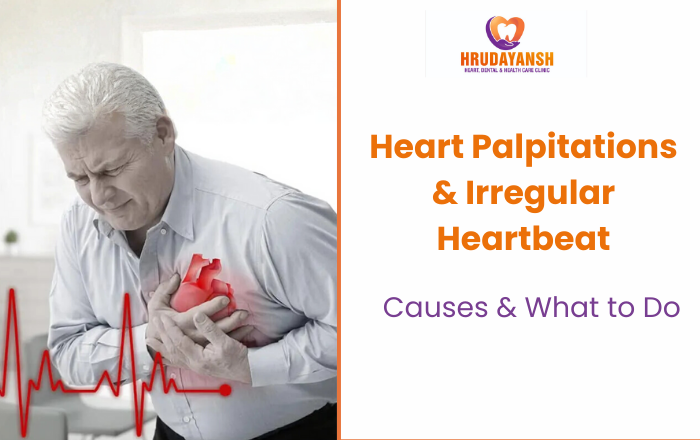
Heart Palpitations and Irregular Heartbeat: Causes, When to Worry, and What to Do

Heart palpitations and irregular heartbeat can be alarming, but in many cases, they are harmless. Understanding what triggers these sensations, when they might signal a more serious problem, and how to manage them is essential for maintaining heart health. This guide will break down everything you need to know about palpitations and irregular heart rhythms.

What Are Heart Palpitations and Irregular Heartbeat?

Heart palpitations are feelings that your heart is pounding, fluttering, or skipping beats. They may occur occasionally or more frequently and can happen at rest or during activity. An irregular heartbeat, or arrhythmia, refers to a heart rhythm that is too fast, too slow, or erratic. While some arrhythmias are benign, others may indicate underlying heart conditions that require medical attention.

Common Causes of Heart Palpitations

Several factors can trigger palpitations, ranging from lifestyle habits to medical conditions. Common causes include:

  1. Stress and Anxiety: Emotional stress or anxiety can stimulate the release of adrenaline, causing your heart to beat faster or irregularly.

  2. Caffeine and Stimulants: High caffeine intake, energy drinks, and certain medications can provoke palpitations.

  3. Exercise: Intense physical activity increases heart rate and may cause temporary irregularities in rhythm.

  4. Hormonal Changes: Pregnancy, menopause, or thyroid disorders can affect heart rhythm.

  5. Electrolyte Imbalances: Low levels of potassium, magnesium, or calcium may lead to irregular heartbeats.

  6. Alcohol or Tobacco: Excessive alcohol or smoking can trigger palpitations and worsen underlying heart conditions.

  7. Medications: Some over-the-counter and prescription drugs, including asthma inhalers or decongestants, can affect heart rhythm.

When to Worry About Palpitations

Most palpitations are harmless, but certain symptoms and circumstances require prompt medical attention. Seek immediate care if palpitations are accompanied by:

  • Chest pain or pressure

  • Shortness of breath

  • Dizziness or fainting

  • Rapid heartbeat lasting more than a few minutes

  • Palpitations in individuals with a history of heart disease

Persistent or frequent palpitations, even without severe symptoms, should also be evaluated by a healthcare professional to rule out arrhythmias such as atrial fibrillation, supraventricular tachycardia, or ventricular tachycardia.

How Heart Palpitations Are Diagnosed

A healthcare provider may use several tests to determine the cause of palpitations:

  1. Electrocardiogram (ECG): Records the electrical activity of the heart to detect irregular rhythms.

  2. Holter Monitor: A portable device worn for 24–48 hours to track heart rhythms over time.

  3. Event Monitor: Used for infrequent palpitations; the device records heart activity when triggered by the patient.

  4. Blood Tests: Check for thyroid issues, electrolyte imbalances, or other underlying conditions.

  5. Echocardiogram: Uses ultrasound to examine heart structure and function.

Self-Care and Lifestyle Changes

For benign palpitations, lifestyle adjustments can significantly reduce occurrences:

  • Reduce Caffeine and Stimulants: Limit coffee, energy drinks, and certain medications.

  • Manage Stress: Practice relaxation techniques such as meditation, yoga, or deep breathing exercises.

  • Exercise Regularly: Moderate, consistent activity strengthens the heart and reduces stress.

  • Stay Hydrated: Dehydration can trigger palpitations; drink adequate water daily.

  • Avoid Alcohol and Tobacco: Both can contribute to irregular heartbeats.

  • Maintain Electrolyte Balance: Consume a balanced diet rich in potassium, magnesium, and calcium.

Medical Treatments for Irregular Heartbeat

If palpitations are caused by a medical condition or dangerous arrhythmia, treatment may include:

  • Medications: Beta-blockers, calcium channel blockers, or antiarrhythmic drugs may be prescribed.

  • Procedures: In some cases, a cardiologist may recommend cardioversion, catheter ablation, or implantable devices like pacemakers.

  • Treating Underlying Conditions: Correcting thyroid imbalances, electrolyte deficiencies, or other contributing factors can reduce irregular heartbeats.

When to See a Cardiologist

Even if palpitations seem minor, consulting a cardiologist is wise if they:

  • Occur frequently or worsen over time

  • Interfere with daily life or sleep

  • Are accompanied by chest discomfort, fainting, or severe dizziness

  • Appear in individuals with a family history of heart disease

Early detection and treatment of serious arrhythmias can prevent complications such as stroke, heart failure, or cardiac arrest.

FAQs

1. What do heart palpitations feel like?
A fluttering, pounding, racing, or skipped heartbeat, often felt in the chest, throat, or neck.

2. Are palpitations dangerous?
Most are harmless, but seek medical attention if they come with chest pain, dizziness, fainting, or shortness of breath.

3. What causes irregular heartbeat?
Stress, caffeine, alcohol, medications, hormonal changes, electrolyte imbalances, or underlying heart conditions.

4. How can I prevent palpitations?
Manage stress, limit stimulants, stay hydrated, exercise, avoid tobacco, and eat a balanced diet rich in electrolytes.

Conclusion

Most heart palpitations are harmless, but recurring or intense symptoms deserve expert evaluation. For trusted care, book your consultation with Dr. Digvijay NalawadeHeart Specialist in Baner at Hrudayansh Clinic today. Your heart health matters—take the step now.

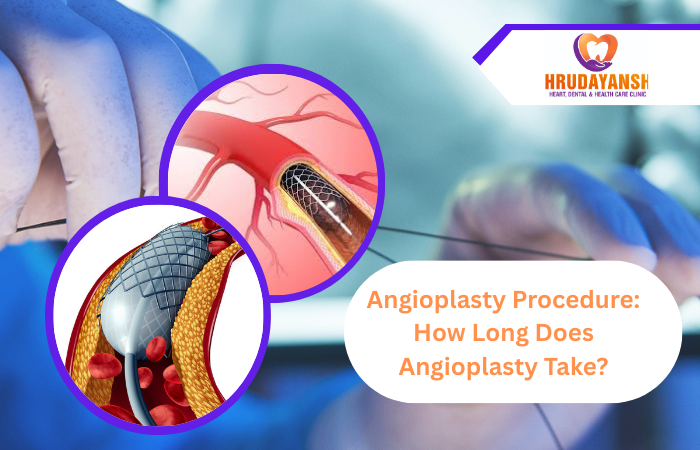
Angioplasty Procedure: How Long Does Angioplasty Take?

When it comes to heart health, few things feel as urgent and overwhelming as being told you or a loved one may need an angioplasty. The word itself can sound intimidating, but the truth is, angioplasty is one of the most common and effective procedures performed worldwide to treat blocked arteries. Patients often come to the clinic with one important question in mind: “How long does angioplasty take?”

Understanding what happens during angioplasty, the time involved, and what you can expect before, during, and after the procedure can help ease your anxiety and prepare you better. At Hrudayansh Clinic, Baner, under the guidance of Dr. Digvijay Nalawade, an experienced cardiologist in Baner, patients are given clear explanations and personalized care so they know exactly what to expect.

What is Angioplasty?

Angioplasty, medically called percutaneous coronary intervention (PCI), is a minimally invasive procedure used to open narrowed or blocked coronary arteries. These arteries supply oxygen-rich blood to your heart, and when they get blocked by plaque (fatty deposits), the risk of heart attack increases significantly.

The procedure involves using a thin tube called a catheter with a small balloon at its tip. This balloon is guided to the blocked artery and then inflated to push the plaque against the artery walls, restoring smooth blood flow. In most cases, a stent (a small wire mesh tube) is placed to keep the artery open permanently.

Why is Angioplasty Done?

The most common reasons your cardiologist may recommend angioplasty include:

  • Severe chest pain (angina) due to blocked arteries.

  • A heart attack, where quick action can restore blood supply and save heart muscle.

  • Blockages detected during diagnostic tests such as angiography.

  • Cases where medication or lifestyle changes alone aren’t enough to control symptoms.

At Hrudayansh Clinic, Dr. Digvijay Nalawade emphasizes the importance of early diagnosis and timely treatment. With advanced facilities and a patient-first approach, the clinic ensures safe, effective angioplasty procedures with excellent outcomes.

How Long Does Angioplasty Take?

The time required for angioplasty can vary based on several factors such as the number of blockages, the complexity of the artery involved, and whether a stent is placed. Here’s a general breakdown:

  • Preparation Time: Before the actual procedure begins, patients are given medications, and a local anesthetic is applied at the insertion site (usually the wrist or groin). This can take 30–60 minutes.

  • Procedure Time: The angioplasty itself generally lasts 30 minutes to 2 hours. A straightforward single-artery angioplasty may be finished within 30–45 minutes, but if multiple blockages are treated, it may take longer.

  • Post-Procedure Monitoring: After angioplasty, patients are moved to a recovery area where they are closely monitored. This phase can last 4–6 hours and, in some cases, patients stay overnight for observation.

So, in most cases, the entire process — from preparation to recovery — can take 6 to 12 hours, with the procedure itself being much shorter.

Step-by-Step Overview of Angioplasty

  1. Admission & Preparation: You’ll be admitted, given instructions, and monitored before the procedure. Blood tests and imaging are checked.

  2. Insertion of Catheter: A small incision is made in the wrist (radial artery) or groin (femoral artery), and the catheter is guided toward the heart.

  3. Locating the Blockage: Using real-time X-ray imaging (fluoroscopy), the cardiologist identifies the blockage.

  4. Balloon Inflation & Stent Placement: The balloon is inflated to widen the artery. A stent may be placed to keep it open.

  5. Completion & Recovery: Once blood flow is restored, the catheter is removed, and pressure is applied to prevent bleeding. You are then monitored during recovery.

What Patients Commonly Feel During Angioplasty

  • Most patients remain awake but lightly sedated.

  • You may feel slight pressure when the catheter is inserted.

  • Rarely, there can be mild chest discomfort when the balloon inflates, but it quickly subsides.

Dr. Digvijay Nalawade ensures his patients are comfortable throughout and explains each step beforehand to reduce stress.

Recovery After Angioplasty

Recovery is usually quick compared to major heart surgeries. Many patients return home the next day and can resume light activities within a week. However, lifestyle changes are crucial to prevent future blockages. This includes:

  • Adopting a heart-healthy diet.

  • Exercising regularly (as advised by your cardiologist).

  • Quitting smoking and reducing alcohol intake.

  • Taking prescribed medications consistently.

Safety and Success Rate

Angioplasty is considered very safe, with a high success rate in relieving symptoms and improving quality of life. Complications are rare but may include bleeding, infection, or re-narrowing of the artery. Choosing an experienced cardiologist like Dr. Digvijay Nalawade at Hrudayansh Clinic, Baner, ensures that you are in safe hands with advanced facilities and a personalized treatment plan.

FAQs About Angioplasty

Q1. Is angioplasty painful?
No, angioplasty is not usually painful. Patients may feel mild pressure during the procedure, but sedatives and local anesthesia keep them comfortable.

Q2. How long do I need to stay in the hospital after angioplasty?
Most patients stay overnight for observation and can return home the next day if stable.

Q3. Will I need another angioplasty in the future?
In many cases, a stent keeps the artery open permanently. However, if new blockages develop due to lifestyle or other conditions, another procedure may be needed.

Q4. Can I live a normal life after angioplasty?
Yes. With proper medication, healthy lifestyle changes, and regular follow-ups, most patients live full, active lives after angioplasty.

Q5. What is the difference between angioplasty and bypass surgery?
Angioplasty is a minimally invasive procedure using a catheter and stent, while bypass surgery is an open-heart surgery where new vessels are created to reroute blood flow.

Angioplasty Procedure for Heart Blockages

Blocked arteries are one of the major causes of chest pain, heart attacks, and long-term cardiac issues. One of the most effective treatments for restoring blood flow and preventing serious complications is angioplasty.

In this comprehensive blog, we’ll explore what angioplasty is, when it is recommended, the associated risks, and how recovery typically unfolds.

What is Angioplasty?

Angioplasty is a minimally invasive cardiac procedure that opens narrowed or blocked coronary arteries. This allows blood to flow more freely to the heart muscle, alleviating symptoms and reducing the risk of heart attack.

Key Steps in the Procedure:

  • A catheter is inserted through a blood vessel in the wrist or groin.
  • A small balloon is inflated at the site of the blockage.
  • In most cases, a stent (a wire mesh tube) is placed to keep the artery open.

This is typically performed under local anesthesia and is much less invasive than open-heart surgery.

When Is Angioplasty Needed?

Angioplasty is typically recommended for patients who have:

  • Significant coronary artery disease (CAD)
  • Unstable angina (chest pain)
  • Heart attack (as an emergency treatment)
  • Shortness of breath or fatigue caused by blocked arteries
  • Ineffective results from medication or lifestyle changes alone

Potential Risks of Angioplasty

While angioplasty is generally safe, it does carry certain risks, especially in elderly patients or those with multiple comorbidities.

Possible Complications:

  • Bleeding or infection at the catheter site
  • Re-narrowing of the artery (restenosis)
  • Blood clots forming in the stent
  • Allergic reaction to contrast dye
  • Kidney function issues (due to dye used in the procedure)
  • Rarely, heart attack or stroke during the procedure

These risks are minimized when the procedure is performed by experienced specialists in a well-equipped cardiac care center.

Recovery After Angioplasty

 Hospital Stay

Most patients are discharged within 24 to 48 hours after the procedure, unless there are complications.

Physical Activity

  • Avoid strenuous activity for 1 to 2 weeks.
  • Gentle walking is usually encouraged after a few days.

Medication

  • Patients are prescribed blood thinners and cholesterol-lowering medications.
  • It’s critical to take medicines regularly and as directed to avoid stent blockage or clotting.

Diet & Lifestyle

  • Shift to a low-fat, low-salt, heart-healthy diet.
  • Quit smoking and limit alcohol intake.
  • Manage blood pressure, diabetes, and stress.

Life After Angioplasty

Angioplasty offers rapid relief from chest discomfort and fatigue, and many patients resume normal life within weeks. However, it is not a cure—it is a management tool for heart disease.

Long-Term Heart Care Includes:

  • Regular follow-ups with your cardiologist
  • Yearly ECGs, stress tests, and lipid profiles
  • Ongoing commitment to a healthy lifestyle
  • Close monitoring of other conditions like diabetes or hypertension

 Meet Your Heart Care Expert

Dr. Digvijay Nalawade
Consultant Cardiologist – Hrudayansh Clinic, Pune
Expert in Angioplasty, Heart Attack Management & Preventive Cardiology

Precision diagnosis
Personalized recovery plans
Patient-focused, compassionate care

At Hrudayansh Clinic, we focus not only on treatment but also on long-term heart wellness.

Book your consultation today and begin your journey to a stronger, healthier heart.

How to Lower Blood Pressure Without Medication

High blood pressure, also known as hypertension, affects millions of people around the world. If you’ve been wondering how to lower blood pressure without medication, you’re not alone. Many people are looking for natural, safe ways to manage their blood pressure—without depending only on pills.

The good news? With some simple lifestyle changes, you can bring your blood pressure down and feel better each day. In this blog, we’ll share practical, proven methods to reduce high blood pressure naturally. These tips are easy to follow and can make a big difference over time.

What Is High Blood Pressure?

Blood pressure is the force of blood pushing against the walls of your arteries. When this pressure stays high for a long time, it can damage your heart and other organs. That’s when it becomes a serious health concern.

Why It Matters:

  • It can lead to heart disease and stroke.
  • It often has no clear symptoms.
  • It can be controlled with daily habits and awareness.

Simple Lifestyle Changes to Lower Blood Pressure Naturally

1. Cut Down on Salt

Too much salt in your diet can raise your blood pressure. The extra sodium causes your body to hold more water, which puts more pressure on your blood vessels.

What You Can Do:

  • Avoid processed and packaged foods.
  • Choose low-sodium options when shopping.
  • Use herbs, lemon, and spices for flavor instead of salt.

2. Move More Every Day

Exercise helps your heart pump more efficiently, which can lower the pressure on your arteries.

Try This:

  • Brisk walking for 30 minutes a day, five times a week.
  • Swimming, cycling, or dancing if walking isn’t your thing.
  • Light stretching and yoga for stress relief and flexibility.

3. Eat Foods That Are Good for Your Heart

A healthy diet is one of the best ways to control blood pressure. The DASH (Dietary Approaches to Stop Hypertension) diet and Mediterranean diet are both helpful.

Focus on:

  • Fresh fruits and vegetables
  • Whole grains like oats and brown rice
  • Nuts, seeds, and legumes
  • Fatty fish like salmon
  • Low-fat dairy

Avoid fried foods, red meat, and sugary snacks.

4. Maintain a Healthy Weight

Being overweight makes your heart work harder, which can raise blood pressure. Losing even a few kilos can make a big difference.

How to Get Started:

  • Keep a food and activity journal.
  • Watch portion sizes and eat mindfully.
  • Get support from family or friends.

5. Limit Alcohol and Stop Smoking

Alcohol: Drinking too much alcohol can raise your blood pressure over time. Limit your intake to:

  • 1 drink per day for women
  • 2 drinks per day for men

Smoking: Every cigarette raises your blood pressure for several minutes. Quitting smoking helps your heart and lungs recover quickly.

6. Manage Stress Naturally

Long-term stress may lead to habits (like overeating or drinking) that increase blood pressure. Learning to relax your body and mind can help keep your pressure in check.

Try This:

  • Deep breathing or meditation
  • Listening to calming music
  • Spending time outdoors
  • Journaling or quiet reflection

Supplements and Herbs: Do They Work?

Some natural supplements have shown promise in supporting healthy blood pressure levels.

Common Ones:

  • Garlic: Known to relax blood vessels
  • Omega-3 fatty acids: Found in fish oil
  • Magnesium: Supports heart rhythm
  • Hibiscus tea: May reduce blood pressure when consumed regularly

👉 Important: Always check with a doctor before starting any supplement, especially if you are already taking medications.

Track Your Blood Pressure at Home

Keeping an eye on your blood pressure helps you notice patterns and understand what works for you.

How to Do It Right:

  • Use a digital blood pressure monitor
  • Check at the same time every day
  • Sit quietly for 5 minutes before measuring

Write down your results and bring them to your check-ups.

When to See a Doctor

Even if you’re doing all the right things, it’s still important to talk to a doctor—especially if:

  • Your readings are consistently above 140/90
  • You feel dizzy, short of breath, or experience chest pain
  • Lifestyle changes don’t seem to be enough

Regular health check-ups are key to preventing serious problems.

Need Support? Visit a Trusted Cardiologist in Baner

If you’re looking for someone to guide you in managing your heart health naturally and safely, consider visiting
Dr. Digvijay D Nalawade at Hrudayansh Clinic, a well-known cardiologist in Baner.

He can help you understand your condition better and suggest the right steps—whether it’s lifestyle changes or medical support—to manage your blood pressure the right way.

Frequently Asked Questions (FAQ)

1. Can I stop my blood pressure medicine if I follow a healthy lifestyle?
No. Always speak with your doctor before stopping any medication. In some cases, lifestyle changes may reduce your need for medicine, but only your doctor can decide that.

2. What is the fastest natural remedy for high blood pressure?
While nothing works instantly, drinking water, deep breathing, and taking a walk can lower blood pressure slightly in the short term.

3. How much exercise do I need to lower blood pressure?
Try to get at least 30 minutes of moderate activity (like walking or cycling) five days a week.

Changing your lifestyle may seem hard at first, but small steps can make a big difference. When you eat better, move more, and handle stress calmly, you’re not just lowering your blood pressure—you’re improving your entire life.

If you’re ready to take the next step in managing your blood pressure naturally, don’t hesitate to consult with Dr. Digvijay D Nalawade at Hrudayansh Clinic, a trusted cardiologist in Baner.

Social media & sharing icons powered by UltimatelySocial