You get a routine blood test, and suddenly your doctor is circling a number on the report: LDL cholesterol, higher than it should be. It’s one of the most common findings in adults today, yet it rarely comes with a clear explanation of what to actually do next.
High cholesterol doesn’t announce itself with symptoms. There’s no ache, no warning sign just a slow, silent buildup inside your arteries that, left unchecked, raises your risk of heart attack and stroke. The encouraging part is that cholesterol is one of the most manageable health metrics out there. With the right combination of lifestyle changes and, when needed, medical treatment, most people can bring their numbers down significantly.
This blog walks through what cholesterol actually is, the natural strategies that make a real difference, and when medical treatment becomes necessary.
What Is Cholesterol, and Why Does It Matter?
Cholesterol is a waxy, fat-like substance your body needs for building cells, producing hormones, and making vitamin D. Your liver produces most of what you need, and the rest comes from the food you eat.
There are two main types worth knowing:
- LDL (low-density lipoprotein) — often called “bad” cholesterol because excess amounts build up in artery walls, narrowing blood flow over time.
- HDL (high-density lipoprotein) — known as “good” cholesterol because it helps clear excess cholesterol from the bloodstream.
The goal isn’t to eliminate cholesterol entirely it’s to keep LDL levels in check while maintaining healthy HDL levels.
How to Lower Cholesterol Naturally
1. Rethink Your Fats, Don’t Just Cut Them
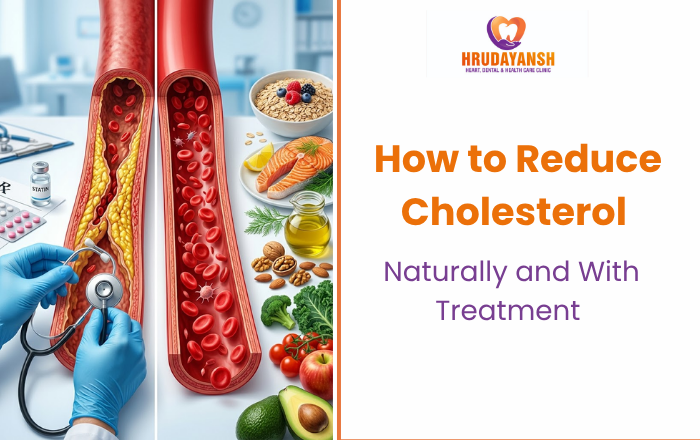
Not all fats affect cholesterol the same way. Saturated fats, found in red meat, butter, and fried foods, tend to raise LDL levels. Replacing them with unsaturated fats from sources like olive oil, avocados, and nuts can help shift your cholesterol profile in a healthier direction.
2. Add More Soluble Fiber to Your Diet
Soluble fiber binds to cholesterol in the digestive system and helps remove it from the body before it’s absorbed. Oats, beans, lentils, apples, and barley are all excellent sources worth adding to your daily meals.
3. Move Your Body Regularly
Physical activity does double duty it can raise HDL cholesterol while helping lower LDL and triglycerides. Aiming for at least 30 minutes of moderate exercise, such as brisk walking, cycling, or swimming, most days of the week can meaningfully improve your numbers over a few months.
4. Maintain a Healthy Weight
Carrying excess weight, especially around the abdomen, is closely linked to higher LDL and lower HDL levels. Even a modest weight reduction of 5 to 10 percent of body weight can lead to measurable improvements in cholesterol levels.
5. Cut Back on Added Sugar and Refined Carbs
Diets high in sugar and refined carbohydrates can raise triglycerides and lower HDL cholesterol. Swapping white bread, sugary drinks, and processed snacks for whole grains and naturally low-sugar foods supports better lipid balance.
6. Quit Smoking
Smoking damages blood vessel walls and lowers HDL cholesterol, making it easier for LDL to build up in the arteries. Quitting has been shown to improve HDL levels within just a few weeks.
7. Limit Alcohol Intake
While moderate alcohol consumption has sometimes been linked to slightly higher HDL, excessive drinking raises triglycerides and can contribute to other serious health problems. Moderation is key.
8. Add Cholesterol-Friendly Foods
Certain foods have specific cholesterol-lowering properties, including:
- Fatty fish like salmon and mackerel (rich in omega-3s)
- Nuts such as almonds and walnuts
- Foods fortified with plant sterols
- Soy-based products like tofu and edamame
Small, consistent dietary additions like these can add up to meaningful improvement over time.
When Lifestyle Changes Aren’t Enough: Medical Treatment Options
For some people, especially those with genetic predispositions like familial hypercholesterolemia, lifestyle changes alone aren’t sufficient to bring cholesterol into a healthy range. This is where medical treatment becomes important.
– Statins
Statins are the most commonly prescribed cholesterol-lowering medications. They work by reducing the liver’s production of cholesterol and are highly effective at lowering LDL levels while reducing overall cardiovascular risk.
– Ezetimibe
This medication works by reducing the amount of cholesterol absorbed from food in the intestines. It’s often used alongside statins for people who need additional LDL reduction.
– PCSK9 Inhibitors
These newer injectable medications help the liver remove more LDL cholesterol from the blood. They’re typically reserved for people with very high cholesterol or those who don’t respond adequately to statins alone.
– Bile Acid Sequestrants
These medications bind to bile acids in the digestive system, prompting the liver to use more cholesterol to produce new bile acids, which in turn lowers blood cholesterol levels.
– Fibrates and Niacin
These are sometimes prescribed specifically to manage high triglycerides, often alongside other cholesterol-lowering treatments.
A cardiologist will determine the right treatment approach based on your cholesterol levels, overall cardiovascular risk, family history, and how your body responds to lifestyle changes.
How Often Should You Check Your Cholesterol?
Most healthy adults should have their cholesterol checked at least every four to six years, though those with risk factors like family history, diabetes, high blood pressure, or existing heart disease may need more frequent monitoring, often annually. Regular testing allows you and your doctor to catch changes early and adjust your treatment plan as needed.
Building a Long-Term Heart-Healthy Routine
Lowering cholesterol isn’t a one-time fix it’s an ongoing part of protecting your cardiovascular health. Combining a nutrient-dense diet, regular physical activity, healthy weight management, and, when necessary, appropriate medication creates the strongest foundation for keeping your numbers in a safe range for years to come.
Conclusion
High cholesterol is common, but it’s far from unmanageable. Small, consistent changes to your diet and activity levels can shift your numbers in the right direction, and for those who need extra support, modern cholesterol-lowering treatments are safe, effective, and widely available. The most important step is simply getting started and getting the right guidance along the way.
Frequently Asked Questions
Q1: Can cholesterol be lowered naturally without medication?
A: Yes, in many cases. Diet changes, regular exercise, weight management, and quitting smoking can significantly lower LDL cholesterol, especially when cholesterol levels are only mildly elevated.
Q2: How long does it take to lower cholesterol naturally?
A: Most people begin to see measurable improvements within two to three months of consistent lifestyle changes, though results vary based on individual health factors.
Q3: Are eggs bad for cholesterol?
A: Current research suggests moderate egg consumption doesn’t significantly raise cholesterol levels for most healthy individuals, though those with existing heart conditions should discuss intake with their doctor.
Q4: Is high cholesterol genetic?
A: It can be. Conditions like familial hypercholesterolemia are inherited and often require medical treatment in addition to lifestyle changes.
Q5: When should I consider cholesterol medication?
A: If lifestyle changes alone don’t bring your cholesterol into a healthy range within a few months, or if you have additional cardiovascular risk factors, your doctor may recommend medication alongside continued lifestyle efforts.
Have questions? We’re just a message away! Contact us on WhatsApp — Click Here to Chat with Us
Consult an Experienced Cardiologist
If you’re concerned about high cholesterol or want a personalized plan to improve your heart health, it’s important to seek expert medical advice. Dr. Digvijay Nalawade, a Cardiologist with 18+ years of experience, provides comprehensive evaluation, lifestyle guidance, and evidence-based treatment to help manage cholesterol and reduce the risk of heart disease.
Book a consultation at Hrudayansh Clinic, Baner, for expert care tailored to your individual health needs.