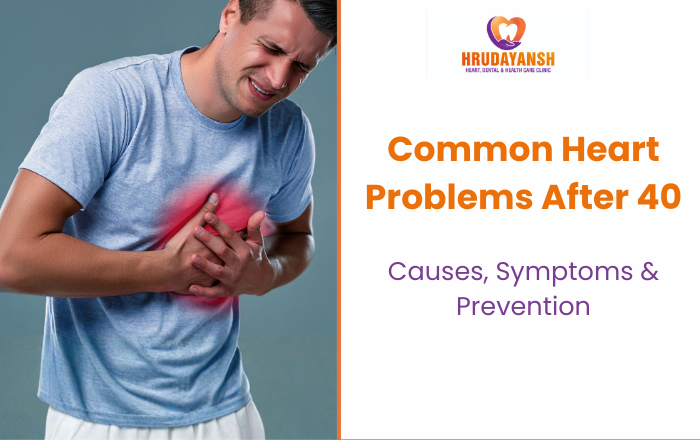
Turning 40 feels like just another birthday until your doctor starts asking more questions about your chest pain, energy levels, and family history. Suddenly, heart problems after 40 become more than just something that happens to other people. The truth is, your heart changes as you age, and understanding these changes can save your life.
Heart disease after age 40 affects millions of people, but here’s the good news: most conditions are preventable when you know what to look for. Let’s explore the most common heart conditions in middle age and what you can do to protect yourself.
Why Your Heart Changes After 40
Your heart doesn’t suddenly break down at 40, but decades of life catch up with you. Blood vessels naturally lose flexibility, making it harder for blood to flow smoothly. Plaque builds up in your arteries from years of eating habits, stress, and lifestyle choices you made in your 20s and 30s.
For women, menopause brings hormonal changes that increase heart disease risk. Men typically face heart problems earlier than women. Your metabolism slows down, making weight gain easier and raising cholesterol levels. All these factors combined create the perfect storm for cardiovascular health after 40 to become a real concern.
5 Most Common Heart Problems After 40
1. High Blood Pressure (Hypertension)
Nearly half of adults over 40 have high blood pressure, often without knowing it. Your arteries stiffen with age, and carrying extra weight puts more pressure on your heart. You might experience headaches, shortness of breath, or nosebleeds, but many people feel nothing at all. This is why doctors call it the “silent killer.”
2. Coronary Artery Disease
When plaque clogs the arteries feeding your heart, you develop coronary artery disease. This is one of the most serious heart problems after 40. You might feel chest pain during physical activity, unusual fatigue, or shortness of breath climbing stairs. The discomfort often spreads to your shoulders, arms, or jaw.
3. Irregular Heartbeat (Arrhythmias)
Your heart might suddenly race, flutter, or skip beats. Atrial fibrillation becomes more common after 40, making your heart beat irregularly. You’ll notice palpitations, dizziness, or a strange sensation in your chest. Some people describe it as their heart “doing flips.”
4. High Cholesterol
LDL cholesterol (the bad kind) naturally increases after 40. This waxy substance sticks to your artery walls, narrowing the space for blood to flow. High cholesterol rarely causes symptoms, but it dramatically increases your risk of heart attack and stroke.
5. Heart Failure
Don’t let the name scare you—heart failure means your heart can’t pump blood efficiently, not that it stops working. You’ll feel extremely tired, notice swelling in your legs and ankles, and have trouble breathing when lying flat. These warning signs of heart disease in your 40s develop gradually, so people often dismiss them as normal aging.
Warning Signs You Shouldn’t Ignore
Pay attention when your body sends signals. Chest pressure or tightness that lasts more than a few minutes needs immediate attention. Shortness of breath during activities that never bothered you before is a red flag. If you wake up gasping for air or feel exhausted despite sleeping well, call your doctor.
Other critical symptoms include:
- Irregular heartbeat that doesn’t go away
- Swelling in your feet, ankles, or legs
- Sudden dizziness or fainting
- Cold sweats along with chest discomfort
These are early symptoms of heart attack in 40s that many people ignore, thinking they’re just stressed or out of shape.
What Causes Heart Problems After 40?
Your genes play a role—if heart disease runs in your family, you’re at higher risk. But lifestyle choices matter more than genetics. Sitting at a desk all day, eating processed foods loaded with salt and sugar, chronic stress, poor sleep, smoking, and drinking too much alcohol all damage your heart over time.
Medical conditions like diabetes, obesity, and sleep apnea make things worse. Even conditions that developed during pregnancy can affect women’s heart health decades later.
How to Prevent Heart Problems After 40
– Change What You Eat
Focus on whole foods: vegetables, fruits, fatty fish like salmon, whole grains, and nuts. Cut back on processed meats, sugary snacks, and anything with trans fats. You don’t need a perfect diet—small changes add up. Try replacing one unhealthy meal each day with something better.
– Move Your Body
Aim for 150 minutes of activity weekly. That’s just 30 minutes, five days a week. Walk around your neighborhood, swim, ride a bike, or dance in your living room. If you’ve been inactive, start with 10 minutes daily and build up slowly. These are proven heart health tips for people over 40 that actually work.
– Manage Stress
Chronic stress raises blood pressure and inflammation. Find what works for you—meditation, yoga, deep breathing, spending time with friends, or a hobby you enjoy. Take breaks during your workday. Learn to say no when you’re overwhelmed.
– Sleep Better
Get 7-9 hours each night. Poor sleep is linked to high blood pressure, diabetes, and heart disease. Keep your bedroom cool and dark, avoid screens before bed, and stick to a consistent sleep schedule.
– Get Regular Checkups
Check your blood pressure at least once a year. Get cholesterol tests every 4-6 years, or more often if you have risk factors. Test your blood sugar to catch diabetes early. These simple screenings catch problems before they become serious.
– Quit Smoking and Limit Alcohol
Smoking is the worst thing you can do to your heart. Even a few cigarettes daily cause damage. If you drink, stick to one drink daily for women, two for men. Better yet, cut back even more.
When to See a Cardiologist
Everyone should see a cardiologist at 40 for a baseline checkup, especially if you have family history of heart disease. Don’t wait until something feels wrong. When to see a cardiologist after 40 is now—before symptoms appear.
Seek immediate help if you experience chest pain, sudden shortness of breath, fainting, or a rapid heartbeat that won’t stop. These symptoms need urgent attention.
Take Control of Your Heart Health
Your heart has worked for you every second of your life. After 40, it needs your help to stay strong. The good news? Small changes make a big difference. You don’t need to overhaul your entire life overnight—just start with one healthy choice today.
If you’re experiencing symptoms or want to prevent heart disease after age 40, don’t delay getting checked. Early detection saves lives.
Dr. Digvijay Nalawade at Hrudayansh Clinic in Baner provides complete heart care for patients navigating life after 40. From routine screenings to managing existing conditions, Dr. Nalawade helps you understand your heart health and create a plan that fits your life.
Schedule your consultation at Hrudayansh Clinic today. Your heart deserves attention, and taking action now means living better tomorrow.