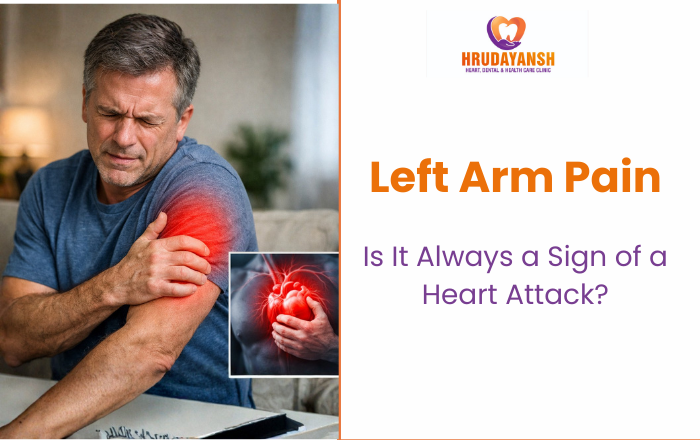
Left Arm Pain: Is It Always a Sign of a Heart Attack?

You’re relaxing at home when suddenly your left arm starts aching. No warning. No obvious reason. And your mind immediately races to one terrifying thought — Is this a heart attack?

It’s one of the most common health fears people have — and honestly, it makes sense. We’ve all heard that left arm pain is a classic heart attack symptom. But here’s what most people don’t know: left arm pain doesn’t always point to your heart. In fact, it has several causes — some serious, some not so much.

Let’s break it all down so you know exactly when to worry and when to breathe easy.

Is Left Arm Pain Always a Sign of a Heart Attack?

The short answer? No — but it can be.

Left arm pain is one of several symptoms that may appear during a heart attack, but it’s rarely the only sign. The tricky part is that left arm pain causes range from a pulled muscle to a pinched nerve to something genuinely cardiac. Knowing the difference could save your life.

What Does Heart Attack Arm Pain Actually Feel Like?

During a heart attack, your heart muscle isn’t getting enough blood. Your brain gets confused about where the pain is coming from and sends signals to the left arm, shoulder, or jaw. This is called referred pain.

Left arm pain heart attack symptoms typically feel:

  • Dull, heavy, or like pressure — not a sharp, stabbing pain
  • Like it’s radiating from your chest down your arm
  • Sudden and comes out of nowhere
  • Hard to pinpoint to one exact spot

The key thing to remember — cardiac left arm pain almost never shows up alone. It brings company.

7 Warning Signs Your Left Arm Pain Could Be a Heart Attack

Call emergency services immediately if your left arm pain comes with any of these:

  1. Chest tightness or pressure — even mild
  2. Shortness of breath
  3. Cold sweats without physical activity
  4. Nausea or vomiting
  5. Dizziness or feeling faint
  6. Pain spreading to the jaw, neck, or back
  7. Sudden, crushing fatigue

According to the American Heart Association, nearly 800,000 people suffer a heart attack every year in the US alone — and many dismiss their early symptoms as “nothing serious.”

If two or more of these symptoms appear together with left arm pain — don’t wait. Get help immediately.

6 Other Common Causes of Left Arm Pain (Not Heart-Related)

Here’s the good news. Most cases of left arm pain without chest pain are not cardiac at all. Here are the most common causes:

1. Muscle Strain Overworking your arm, lifting something heavy, or sleeping in a bad position can cause a dull ache in the left arm. This pain usually worsens when you move or press on the area — unlike cardiac pain.

2. Pinched Nerve (Cervical Radiculopathy) A compressed nerve in your neck can shoot pain, numbness, or tingling straight down your left arm. This is one of the most common causes of left arm pain and tingling and is often linked to poor posture or a spine issue.

3. Shoulder Problems Rotator cuff injuries, frozen shoulder, or shoulder bursitis frequently cause pain that travels down the arm. Movement makes it worse — that’s your clue it’s not the heart.

4. Anxiety and Panic Attacks Yes, anxiety causes real physical pain. Muscle tension, fast breathing, and nerve sensitivity during a panic attack can all produce left arm pain that feels shockingly similar to a heart attack.

5. Angina This one is cardiac — but it’s not a heart attack. Angina is chest and arm pain caused by reduced blood flow to the heart during activity. It’s a serious warning sign that needs medical attention.

6. Costochondritis Inflammation of the cartilage between your ribs can cause chest and arm pain. It’s usually sharp, gets worse when you press on the chest, and is completely non-cardiac — but it mimics one convincingly.

Left Arm Pain in Women — Why It’s Frequently Missed

Women experience heart attack symptoms differently — and this leads to dangerous delays in treatment.

While men often feel the “classic” chest-crushing pain, women more commonly experience fatigue, jaw pain, nausea, and mild left arm discomfort that’s easy to brush off.

Research published in Circulation found that women are 7 times more likely to be misdiagnosed during an actual heart attack.

Women — please don’t dismiss what your body is telling you. If something feels off, get it checked.

Heart Attack Arm Pain vs. Muscle Pain — Quick Comparison

Heart Attack Muscle/Nerve Pain
Onset Sudden Gradual or after activity
Feel Dull, heavy Sharp, localized
Worse with movement? No Yes
Other symptoms? Yes Rarely
Location Radiates from chest Specific spot

When Should You See a Doctor for Left Arm Pain?

Go to the ER immediately if:

  • Left arm pain starts suddenly with no clear reason
  • You have risk factors — high blood pressure, diabetes, high cholesterol, smoking history, or a family history of heart disease
  • Symptoms don’t go away after a few minutes

See a doctor within 24–48 hours if:

  • Pain is mild, linked to movement, and feels muscular
  • No other symptoms are present

Frequently Asked Questions

Q1. Can left arm pain happen without chest pain during a heart attack?

Yes. Some people especially women and diabetics — experience left arm pain without chest pain as their only heart attack symptom.

Q2. Can a pinched nerve feel like a heart attack? Absolutely. Cervical radiculopathy is one of the top conditions mistaken for cardiac pain. An ECG and blood test can tell them apart quickly.

Q3. How long does heart attack arm pain last? It typically persists or comes in waves and doesn’t improve with rest or massage the way muscle pain does. If it lasts more than 5 minutes — treat it as an emergency.

Q4. Can anxiety cause left arm pain?

Yes — muscle tension and nerve sensitivity during anxiety or panic attacks can cause real left arm pain and tingling.

Talk to Dr. Digvijay Nalawade — Cardiologist at Hrudayansh Clinic, Baner, Pune

If you’re in Pune and worried about left arm pain, chest discomfort, or your heart health in general, reach out to Dr. Digvijay Nalawade   a trusted heart specialist in Baner at Hrudayansh Clinic.

Dr. Nalawade helps patients understand their heart health clearly, identify risks early, and get the right treatment at the right time.

Your heart works every second of every day. Give it the attention it deserves — book your consultation with a trusted heart specialist in Baner at Hrudayansh Clinic today.

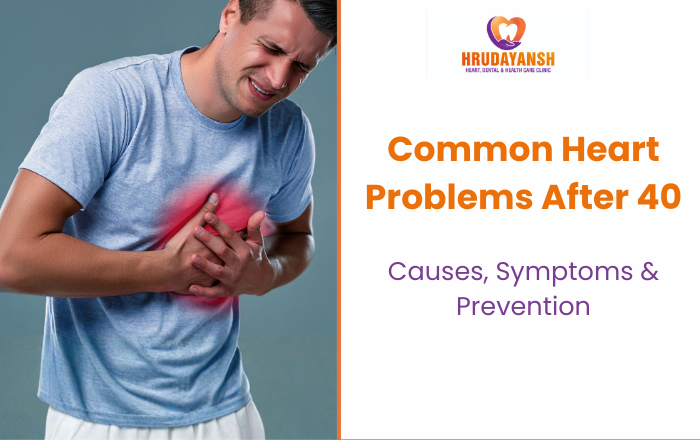
Common Heart Problems After Age 40: Causes, Symptoms & Prevention

Turning 40 feels like just another birthday until your doctor starts asking more questions about your chest pain, energy levels, and family history. Suddenly, heart problems after 40 become more than just something that happens to other people. The truth is, your heart changes as you age, and understanding these changes can save your life.

Heart disease after age 40 affects millions of people, but here’s the good news: most conditions are preventable when you know what to look for. Let’s explore the most common heart conditions in middle age and what you can do to protect yourself.

Why Your Heart Changes After 40

Your heart doesn’t suddenly break down at 40, but decades of life catch up with you. Blood vessels naturally lose flexibility, making it harder for blood to flow smoothly. Plaque builds up in your arteries from years of eating habits, stress, and lifestyle choices you made in your 20s and 30s.

For women, menopause brings hormonal changes that increase heart disease risk. Men typically face heart problems earlier than women. Your metabolism slows down, making weight gain easier and raising cholesterol levels. All these factors combined create the perfect storm for cardiovascular health after 40 to become a real concern.

5 Most Common Heart Problems After 40

1. High Blood Pressure (Hypertension)

Nearly half of adults over 40 have high blood pressure, often without knowing it. Your arteries stiffen with age, and carrying extra weight puts more pressure on your heart. You might experience headaches, shortness of breath, or nosebleeds, but many people feel nothing at all. This is why doctors call it the “silent killer.”

2. Coronary Artery Disease

When plaque clogs the arteries feeding your heart, you develop coronary artery disease. This is one of the most serious heart problems after 40. You might feel chest pain during physical activity, unusual fatigue, or shortness of breath climbing stairs. The discomfort often spreads to your shoulders, arms, or jaw.

3. Irregular Heartbeat (Arrhythmias)

Your heart might suddenly race, flutter, or skip beats. Atrial fibrillation becomes more common after 40, making your heart beat irregularly. You’ll notice palpitations, dizziness, or a strange sensation in your chest. Some people describe it as their heart “doing flips.”

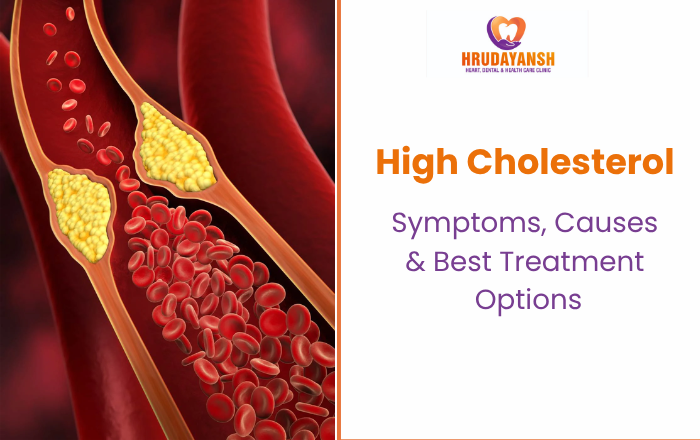
4. High Cholesterol

LDL cholesterol (the bad kind) naturally increases after 40. This waxy substance sticks to your artery walls, narrowing the space for blood to flow. High cholesterol rarely causes symptoms, but it dramatically increases your risk of heart attack and stroke.

5. Heart Failure

Don’t let the name scare you—heart failure means your heart can’t pump blood efficiently, not that it stops working. You’ll feel extremely tired, notice swelling in your legs and ankles, and have trouble breathing when lying flat. These warning signs of heart disease in your 40s develop gradually, so people often dismiss them as normal aging.

Warning Signs You Shouldn’t Ignore

Pay attention when your body sends signals. Chest pressure or tightness that lasts more than a few minutes needs immediate attention. Shortness of breath during activities that never bothered you before is a red flag. If you wake up gasping for air or feel exhausted despite sleeping well, call your doctor.

Other critical symptoms include:

  • Irregular heartbeat that doesn’t go away
  • Swelling in your feet, ankles, or legs
  • Sudden dizziness or fainting
  • Cold sweats along with chest discomfort

These are early symptoms of heart attack in 40s that many people ignore, thinking they’re just stressed or out of shape.

What Causes Heart Problems After 40?

Your genes play a role—if heart disease runs in your family, you’re at higher risk. But lifestyle choices matter more than genetics. Sitting at a desk all day, eating processed foods loaded with salt and sugar, chronic stress, poor sleep, smoking, and drinking too much alcohol all damage your heart over time.

Medical conditions like diabetes, obesity, and sleep apnea make things worse. Even conditions that developed during pregnancy can affect women’s heart health decades later.

How to Prevent Heart Problems After 40

– Change What You Eat

Focus on whole foods: vegetables, fruits, fatty fish like salmon, whole grains, and nuts. Cut back on processed meats, sugary snacks, and anything with trans fats. You don’t need a perfect diet—small changes add up. Try replacing one unhealthy meal each day with something better.

– Move Your Body

Aim for 150 minutes of activity weekly. That’s just 30 minutes, five days a week. Walk around your neighborhood, swim, ride a bike, or dance in your living room. If you’ve been inactive, start with 10 minutes daily and build up slowly. These are proven heart health tips for people over 40 that actually work.

– Manage Stress

Chronic stress raises blood pressure and inflammation. Find what works for you—meditation, yoga, deep breathing, spending time with friends, or a hobby you enjoy. Take breaks during your workday. Learn to say no when you’re overwhelmed.

– Sleep Better

Get 7-9 hours each night. Poor sleep is linked to high blood pressure, diabetes, and heart disease. Keep your bedroom cool and dark, avoid screens before bed, and stick to a consistent sleep schedule.

– Get Regular Checkups

Check your blood pressure at least once a year. Get cholesterol tests every 4-6 years, or more often if you have risk factors. Test your blood sugar to catch diabetes early. These simple screenings catch problems before they become serious.

– Quit Smoking and Limit Alcohol

Smoking is the worst thing you can do to your heart. Even a few cigarettes daily cause damage. If you drink, stick to one drink daily for women, two for men. Better yet, cut back even more.

When to See a Cardiologist

Everyone should see a cardiologist at 40 for a baseline checkup, especially if you have family history of heart disease. Don’t wait until something feels wrong. When to see a cardiologist after 40 is now—before symptoms appear.

Seek immediate help if you experience chest pain, sudden shortness of breath, fainting, or a rapid heartbeat that won’t stop. These symptoms need urgent attention.

Take Control of Your Heart Health

Your heart has worked for you every second of your life. After 40, it needs your help to stay strong. The good news? Small changes make a big difference. You don’t need to overhaul your entire life overnight—just start with one healthy choice today.

If you’re experiencing symptoms or want to prevent heart disease after age 40, don’t delay getting checked. Early detection saves lives.

Dr. Digvijay Nalawade at Hrudayansh Clinic in Baner provides complete heart care for patients navigating life after 40. From routine screenings to managing existing conditions, Dr. Nalawade helps you understand your heart health and create a plan that fits your life.

Schedule your consultation at Hrudayansh Clinic today. Your heart deserves attention, and taking action now means living better tomorrow.

Social media & sharing icons powered by UltimatelySocial