Heart palpitations and irregular heartbeat can be alarming, but in many cases, they are harmless. Understanding what triggers these sensations, when they might signal a more serious problem, and how to manage them is essential for maintaining heart health. This guide will break down everything you need to know about palpitations and irregular heart rhythms.
What Are Heart Palpitations and Irregular Heartbeat?
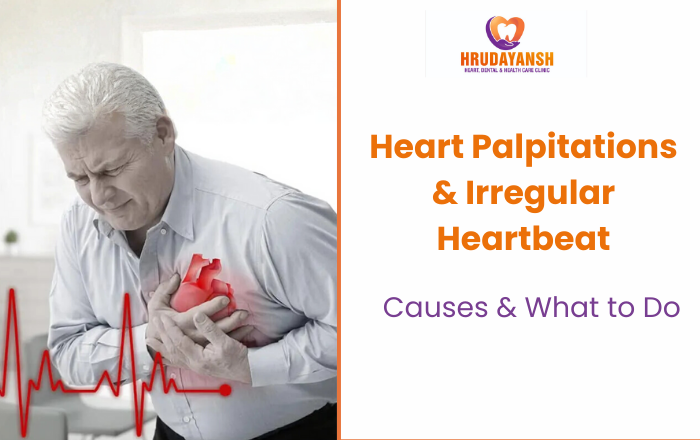
Heart palpitations are feelings that your heart is pounding, fluttering, or skipping beats. They may occur occasionally or more frequently and can happen at rest or during activity. An irregular heartbeat, or arrhythmia, refers to a heart rhythm that is too fast, too slow, or erratic. While some arrhythmias are benign, others may indicate underlying heart conditions that require medical attention.
Common Causes of Heart Palpitations
Several factors can trigger palpitations, ranging from lifestyle habits to medical conditions. Common causes include:
-
Stress and Anxiety: Emotional stress or anxiety can stimulate the release of adrenaline, causing your heart to beat faster or irregularly.
-
Caffeine and Stimulants: High caffeine intake, energy drinks, and certain medications can provoke palpitations.
-
Exercise: Intense physical activity increases heart rate and may cause temporary irregularities in rhythm.
-
Hormonal Changes: Pregnancy, menopause, or thyroid disorders can affect heart rhythm.
-
Electrolyte Imbalances: Low levels of potassium, magnesium, or calcium may lead to irregular heartbeats.
-
Alcohol or Tobacco: Excessive alcohol or smoking can trigger palpitations and worsen underlying heart conditions.
-
Medications: Some over-the-counter and prescription drugs, including asthma inhalers or decongestants, can affect heart rhythm.
When to Worry About Palpitations
Most palpitations are harmless, but certain symptoms and circumstances require prompt medical attention. Seek immediate care if palpitations are accompanied by:
-
Chest pain or pressure
-
Shortness of breath
-
Dizziness or fainting
-
Rapid heartbeat lasting more than a few minutes
-
Palpitations in individuals with a history of heart disease
Persistent or frequent palpitations, even without severe symptoms, should also be evaluated by a healthcare professional to rule out arrhythmias such as atrial fibrillation, supraventricular tachycardia, or ventricular tachycardia.
How Heart Palpitations Are Diagnosed
A healthcare provider may use several tests to determine the cause of palpitations:
-
Electrocardiogram (ECG): Records the electrical activity of the heart to detect irregular rhythms.
-
Holter Monitor: A portable device worn for 24–48 hours to track heart rhythms over time.
-
Event Monitor: Used for infrequent palpitations; the device records heart activity when triggered by the patient.
-
Blood Tests: Check for thyroid issues, electrolyte imbalances, or other underlying conditions.
-
Echocardiogram: Uses ultrasound to examine heart structure and function.
Self-Care and Lifestyle Changes
For benign palpitations, lifestyle adjustments can significantly reduce occurrences:
-
Reduce Caffeine and Stimulants: Limit coffee, energy drinks, and certain medications.
-
Manage Stress: Practice relaxation techniques such as meditation, yoga, or deep breathing exercises.
-
Exercise Regularly: Moderate, consistent activity strengthens the heart and reduces stress.
-
Stay Hydrated: Dehydration can trigger palpitations; drink adequate water daily.
-
Avoid Alcohol and Tobacco: Both can contribute to irregular heartbeats.
-
Maintain Electrolyte Balance: Consume a balanced diet rich in potassium, magnesium, and calcium.
Medical Treatments for Irregular Heartbeat
If palpitations are caused by a medical condition or dangerous arrhythmia, treatment may include:
-
Medications: Beta-blockers, calcium channel blockers, or antiarrhythmic drugs may be prescribed.
-
Procedures: In some cases, a cardiologist may recommend cardioversion, catheter ablation, or implantable devices like pacemakers.
-
Treating Underlying Conditions: Correcting thyroid imbalances, electrolyte deficiencies, or other contributing factors can reduce irregular heartbeats.
When to See a Cardiologist
Even if palpitations seem minor, consulting a cardiologist is wise if they:
-
Occur frequently or worsen over time
-
Interfere with daily life or sleep
-
Are accompanied by chest discomfort, fainting, or severe dizziness
-
Appear in individuals with a family history of heart disease
Early detection and treatment of serious arrhythmias can prevent complications such as stroke, heart failure, or cardiac arrest.
FAQs
1. What do heart palpitations feel like?
A fluttering, pounding, racing, or skipped heartbeat, often felt in the chest, throat, or neck.
2. Are palpitations dangerous?
Most are harmless, but seek medical attention if they come with chest pain, dizziness, fainting, or shortness of breath.
3. What causes irregular heartbeat?
Stress, caffeine, alcohol, medications, hormonal changes, electrolyte imbalances, or underlying heart conditions.
4. How can I prevent palpitations?
Manage stress, limit stimulants, stay hydrated, exercise, avoid tobacco, and eat a balanced diet rich in electrolytes.
Conclusion
Most heart palpitations are harmless, but recurring or intense symptoms deserve expert evaluation. For trusted care, book your consultation with Dr. Digvijay Nalawade – Heart Specialist in Baner at Hrudayansh Clinic today. Your heart health matters—take the step now.