Coronary Artery Disease: Warning Signs, Risk Factors & Early Steps to Protect Your Heart

Is your heart trying to tell you something? Every day, your heart works tirelessly, beating over 100,000 times to keep you alive. But when the arteries that feed your heart begin to narrow, your body starts sending signals—signals that too many people ignore until it’s too late.

Coronary artery disease affects millions of people worldwide, yet many don’t recognize the warning signs until they face a serious health crisis. The truth is, your heart often whispers before it shouts. That unexplained fatigue, the occasional chest discomfort, or the shortness of breath you’ve been brushing off? These could be early warnings of coronary artery disease.

Understanding the symptoms of coronary artery disease and knowing your risk factors for heart disease can save your life. Let’s explore what you need to know to protect your heart health starting today.

What Is Coronary Artery Disease?

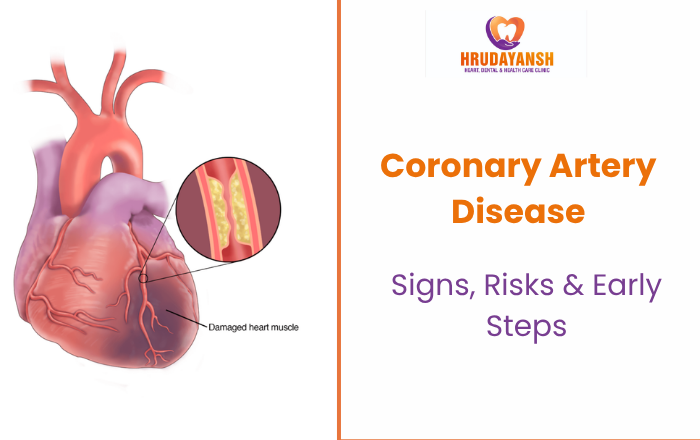
Coronary artery disease (CAD) happens when plaque builds up inside the arteries that supply blood to your heart. This plaque, made of cholesterol, fat, and other substances, gradually narrows these vital pathways. As the arteries narrow, your heart muscle receives less oxygen-rich blood, especially during physical activity or stress.

Think of it like a clogged pipe in your home—the water still flows, but not as freely as it should. Over time, this reduced blood flow can lead to chest pain, shortness of breath, or even a heart attack. CAD is the leading cause of death globally, but the good news is that it’s largely preventable and manageable when caught early.

Warning Signs You Shouldn’t Ignore

▹Common Symptoms
The most recognized symptom of coronary artery disease is chest pain or discomfort, called angina. It often feels like pressure, squeezing, or fullness in the center of your chest. This pain might spread to your shoulders, arms, neck, jaw, or back.

Other early warning signs of coronary artery disease include:

  • Shortness of breath during normal activities or rest
  • Unusual tiredness that doesn’t improve with sleep
  • Nausea or stomach discomfort
  • Dizziness or feeling lightheaded
  • Heart palpitations or irregular heartbeat

▹Symptoms in Women
Women often experience coronary artery disease symptoms differently than men. Instead of obvious chest pain, women might feel extreme fatigue, sleep problems, or flu-like symptoms. They might describe their chest discomfort as burning or tenderness rather than pressure. This is why women’s heart disease is often diagnosed later—the symptoms don’t match what we typically expect.

▹When to Get Help Immediately
If you experience severe chest pain, pain that spreads to your arm or jaw, cold sweats, or sudden shortness of breath, call emergency services right away. These could signal a heart attack, and every minute matters.

Key Risk Factors for Coronary Artery Disease

Some risk factors for coronary artery disease can’t be changed, like your age, family history, or genetics. Men over 45 and women over 55 face higher risks. If heart disease runs in your family, your chances increase too.

However, many risk factors for heart disease are within your control:

  • High blood pressure damages artery walls over time
  • High cholesterol contributes directly to plaque buildup
  • Diabetes increases your risk significantly
  • Smoking damages blood vessels and reduces oxygen
  • Obesity, especially belly fat, strains your heart
  • Lack of exercise weakens your cardiovascular system
  • Chronic stress raises blood pressure and inflammation
  • Poor diet high in saturated fats and processed foods

The more risk factors you have, the higher your chances of developing CAD. But here’s the empowering part—you can change most of these starting today.

Early Steps to Prevent Coronary Artery Disease

▹Make Heart-Healthy Food Choices
Preventing coronary artery disease starts with what you eat. Fill your plate with colorful vegetables, fresh fruits, whole grains, and lean proteins like fish and chicken. Include nuts, seeds, and olive oil for healthy fats. Cut back on fried foods, sugary drinks, processed meats, and excess salt.

You don’t need to be perfect—small, consistent changes add up. Swap white bread for whole grain. Choose grilled over fried. Add an extra serving of vegetables to dinner. These simple shifts make a real difference.

▹Get Moving
Your heart is a muscle that needs regular exercise to stay strong. Aim for 150 minutes of moderate activity each week—that’s just 30 minutes, five days a week. Walking, swimming, cycling, or dancing all count. Even breaking it into 10-minute sessions throughout the day works.

If you’re not active now, start small. A 10-minute walk around your neighborhood is better than nothing. Build gradually as you get stronger.

▹Manage Your Stress
Chronic stress takes a toll on your heart. Find healthy ways to unwind—whether that’s meditation, deep breathing, spending time with loved ones, or enjoying hobbies. Get 7-9 hours of sleep each night. Your heart repairs itself while you rest.

▹Quit Smoking
If you smoke, quitting is the single best thing you can do for your heart. Within just 20 minutes of your last cigarette, your heart rate drops. Within weeks, your circulation improves. Ask your doctor about support programs—you don’t have to do it alone.

▹Monitor Your Health Numbers
Know your blood pressure, cholesterol levels, and blood sugar. Get regular checkups, especially if you have risk factors. Your doctor might recommend medications like statins or blood pressure drugs if lifestyle changes alone aren’t enough. These medications work best alongside healthy habits, not instead of them.

Getting the Right Diagnosis

If you’re experiencing symptoms or have multiple risk factors, your doctor might suggest tests to check your heart health. These can include an electrocardiogram (ECG), stress tests, or imaging studies. Early detection means more treatment options and better outcomes.

Living Well With Heart Disease

A coronary artery disease diagnosis isn’t the end—it’s a new beginning. Many people manage their condition successfully with lifestyle changes and medications. Some need procedures like angioplasty or stenting to open blocked arteries. Cardiac rehabilitation programs help you build strength and confidence.

The key is staying consistent with your treatment plan, attending follow-up appointments, and making your health a priority.

When to See a Heart Specialist

  • Seek medical advice if you experience:
  • Repeated chest pain or tightness
  • Shortness of breath during mild activity
  • Dizziness or irregular heartbeat
  • Pain spreading to your neck, jaw, or arm

A heart specialist can assess your symptoms and guide you with proper tests and treatments to keep your heart healthy.

Meet Dr. Digvijay Nalawade – Heart Specialist in Baner

If you’re in Pune and concerned about your heart health, you can consult Dr. Digvijay Nalawade, a trusted Heart Specialist Doctor in Baner. He practices at Hrudayansh Clinic, where patients receive thorough heart evaluations and guidance for prevention and treatment of conditions like Coronary Artery Disease.

If you have any of the warning signs mentioned above or just want to ensure your heart is in good shape, visit Dr. Digvijay Nalawade at Hrudayansh Clinic, Baner for a check-up. Taking the first step today can protect your heart for years to come.

Remember: Small changes today lead to a healthier tomorrow. Your heart is counting on you.

Gum Surgery: Expectations, Preparation, and Recovery

If your gums bleed when you brush, feel swollen, or seem to pull away from your teeth, you’re not alone. Many people face gum problems that go beyond basic cleaning. In some cases, your dentist might recommend gum surgery to treat infection, strengthen the gums, and protect your teeth from further damage.

Now, hearing the word “surgery” can sound intimidating—but here’s the truth: gum surgery is a routine dental procedure that helps restore gum health and prevent tooth loss. Knowing what to expect, how to prepare, and how to recover makes the process much easier. Let’s walk through everything you need to know.

What Is Gum Surgery and When Is It Needed?

▸ Understanding Gum Surgery

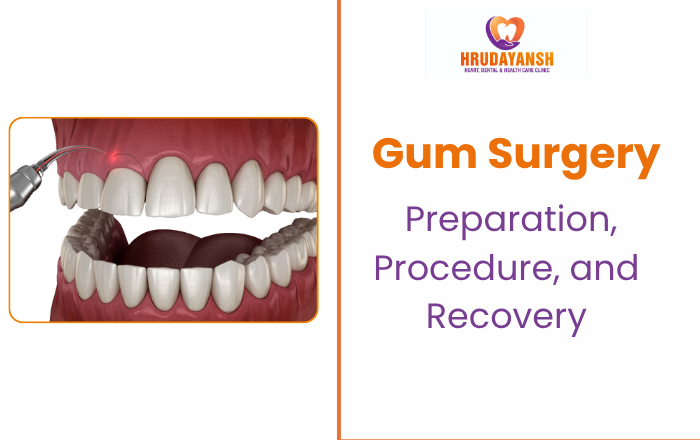
Gum surgery is a dental treatment that aims to repair damaged gums and restore the natural fit of your gums around your teeth. It’s often used to treat gum disease (periodontitis) or gum recession.

▸ Common types of gum surgery include:

  • Flap surgery: Lifting the gums to clean the roots and remove infection.
  • Gum grafting: Adding new tissue to cover exposed roots or strengthen thin gums.
  • Pocket reduction surgery: Reducing spaces between gums and teeth where bacteria collect.

When Is Gum Surgery Necessary?

Your dentist may suggest gum surgery if:

  • You have deep pockets between your gums and teeth.
  • Your gums bleed or swell frequently.
  • You’ve lost gum tissue and your roots are showing.
  • You’re preparing for implants or need to restore gum health before other dental work.

How to Prepare for Gum Surgery

Preparation makes a big difference in how smooth your procedure and recovery go.

▸ Pre-Surgery Consultation

Your dentist will examine your gums, take X-rays, and discuss your medical history. This helps them choose the right type of procedure and anesthesia.

▸ Home Preparation Tips

Follow any prescribed medication or antibiotic routine.

  • Eat a balanced meal before your appointment if you’re not under sedation.
  • Arrange for someone to drive you home if you’re feeling nervous or if sedation will be used.
  • Prepare your recovery space with soft foods, cold packs, and any prescribed mouth rinse.

What to Expect During Gum Surgery

Every case is different, but here’s a general idea of what happens.

▸ Step-by-Step Overview

  • Numbing: Local anesthesia is given to make the area completely pain-free.
  • Cleaning and Reshaping: The dentist carefully lifts the gum and removes infected tissue or bacteria buildup.
  • Grafting or Stitching: If needed, healthy tissue from another area or donor source is added to strengthen weak spots.
  • Finishing Up: The gums are repositioned and stitched for healing. A small dressing might be placed for protection.

▸ Duration and Comfort

Most gum surgeries take about one to two hours. You may feel slight pressure during the procedure but not pain. After the anesthesia wears off, mild soreness or swelling is common and manageable with medication.

Gum Surgery Recovery: Tips for Smooth Healing

▸Immediate Aftercare

  • Rest for the first 24 hours.
  • Avoid heavy activity or bending down.
  • Use ice packs on your cheek to control swelling.
  • Take prescribed medications as instructed.

▸Eating and Oral Hygiene

  • Stick to soft foods like soup, yogurt, mashed potatoes, or smoothies.
  • Avoid spicy, crunchy, or hot foods for a few days.
  • Rinse your mouth gently with warm salt water or a dentist-approved mouthwash.
  • Brush your teeth carefully, avoiding the surgery area until your dentist says it’s safe.

▸Normal vs. Concerning Recovery Signs

Some bleeding, mild swelling, and discomfort are normal for a few days.
Call your dentist if you notice:

  • Excessive bleeding
  • Persistent pain or swelling after a week
  • Fever or pus from the surgical area

How Long Does It Take to Recover from Gum Surgery?

Healing time depends on the type of surgery and your overall health.

  • Initial healing: 1–2 weeks
  • Full recovery: 4–6 weeks

During this time, following your dentist’s instructions and attending follow-up appointments are key to proper healing.

▸Long-Term Care and Maintenance

Once your gums heal, it’s important to maintain them.

▸Healthy Habits for Strong Gums

  • Brush twice a day using a soft toothbrush.
  • Floss gently once healing is complete.
  • Avoid smoking or using tobacco.
  • Visit your dentist regularly for checkups and cleanings.

Good oral hygiene helps keep your gums strong and prevents gum disease from returning.

When to See a Specialist

Not all dental clinics perform gum surgeries. It’s best to visit a dentist who has experience with gum treatments and periodontal care.

If you live in or near Baner and are dealing with gum problems, Dr. Mrunal Nalawade at Hrudayansh Clinic can help. She provides effective gum surgery and helps patients regain healthy, comfortable smiles.

FAQs

Q1. Is gum surgery painful?
No, gum surgery isn’t painful because local anesthesia keeps the area numb. You may feel mild soreness afterward, which is temporary.

Q2. Will my gums grow back after surgery?
In grafting procedures, new tissue is placed to restore gum coverage, giving your gums a fuller, healthier appearance.

Q3. How can I heal faster after gum surgery?
Rest well, eat soft foods, avoid smoking, and follow your dentist’s post-surgery instructions carefully.

Don’t Ignore Gum Problems—Get the Right Treatment Today

Gum surgery can feel like a big step, but it’s often the best way to restore your oral health and prevent future problems. With the right preparation, care, and follow-up, you’ll recover smoothly and notice the benefits quickly.

If you’re experiencing gum pain, swelling, or bleeding, don’t wait. Book an appointment with Dr. Mrunal Nalawade, a trusted dentist in Baner, at Hrudayansh Clinic. She offers effective gum surgery and helps patients regain strong, healthy gums with care and attention.

Take the first step toward a healthier smile—schedule your visit today.

Angioplasty Procedure: How Long Does Angioplasty Take?

When it comes to heart health, few things feel as urgent and overwhelming as being told you or a loved one may need an angioplasty. The word itself can sound intimidating, but the truth is, angioplasty is one of the most common and effective procedures performed worldwide to treat blocked arteries. Patients often come to the clinic with one important question in mind: “How long does angioplasty take?”

Understanding what happens during angioplasty, the time involved, and what you can expect before, during, and after the procedure can help ease your anxiety and prepare you better. At Hrudayansh Clinic, Baner, under the guidance of Dr. Digvijay Nalawade, an experienced cardiologist in Baner, patients are given clear explanations and personalized care so they know exactly what to expect.

What is Angioplasty?

Angioplasty, medically called percutaneous coronary intervention (PCI), is a minimally invasive procedure used to open narrowed or blocked coronary arteries. These arteries supply oxygen-rich blood to your heart, and when they get blocked by plaque (fatty deposits), the risk of heart attack increases significantly.

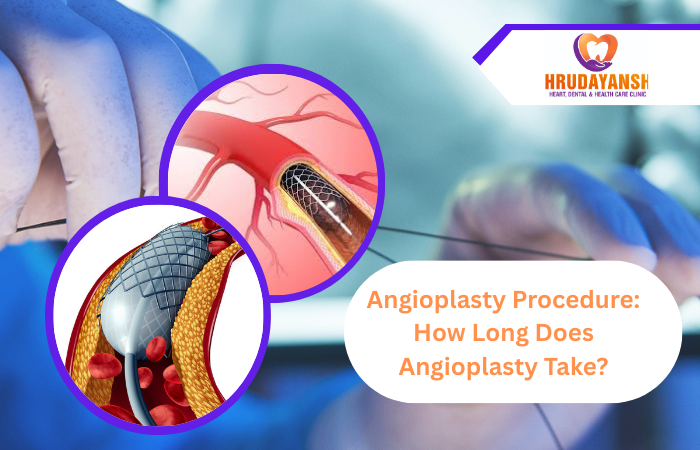
The procedure involves using a thin tube called a catheter with a small balloon at its tip. This balloon is guided to the blocked artery and then inflated to push the plaque against the artery walls, restoring smooth blood flow. In most cases, a stent (a small wire mesh tube) is placed to keep the artery open permanently.

Why is Angioplasty Done?

The most common reasons your cardiologist may recommend angioplasty include:

  • Severe chest pain (angina) due to blocked arteries.

  • A heart attack, where quick action can restore blood supply and save heart muscle.

  • Blockages detected during diagnostic tests such as angiography.

  • Cases where medication or lifestyle changes alone aren’t enough to control symptoms.

At Hrudayansh Clinic, Dr. Digvijay Nalawade emphasizes the importance of early diagnosis and timely treatment. With advanced facilities and a patient-first approach, the clinic ensures safe, effective angioplasty procedures with excellent outcomes.

How Long Does Angioplasty Take?

The time required for angioplasty can vary based on several factors such as the number of blockages, the complexity of the artery involved, and whether a stent is placed. Here’s a general breakdown:

  • Preparation Time: Before the actual procedure begins, patients are given medications, and a local anesthetic is applied at the insertion site (usually the wrist or groin). This can take 30–60 minutes.

  • Procedure Time: The angioplasty itself generally lasts 30 minutes to 2 hours. A straightforward single-artery angioplasty may be finished within 30–45 minutes, but if multiple blockages are treated, it may take longer.

  • Post-Procedure Monitoring: After angioplasty, patients are moved to a recovery area where they are closely monitored. This phase can last 4–6 hours and, in some cases, patients stay overnight for observation.

So, in most cases, the entire process — from preparation to recovery — can take 6 to 12 hours, with the procedure itself being much shorter.

Step-by-Step Overview of Angioplasty

  1. Admission & Preparation: You’ll be admitted, given instructions, and monitored before the procedure. Blood tests and imaging are checked.

  2. Insertion of Catheter: A small incision is made in the wrist (radial artery) or groin (femoral artery), and the catheter is guided toward the heart.

  3. Locating the Blockage: Using real-time X-ray imaging (fluoroscopy), the cardiologist identifies the blockage.

  4. Balloon Inflation & Stent Placement: The balloon is inflated to widen the artery. A stent may be placed to keep it open.

  5. Completion & Recovery: Once blood flow is restored, the catheter is removed, and pressure is applied to prevent bleeding. You are then monitored during recovery.

What Patients Commonly Feel During Angioplasty

  • Most patients remain awake but lightly sedated.

  • You may feel slight pressure when the catheter is inserted.

  • Rarely, there can be mild chest discomfort when the balloon inflates, but it quickly subsides.

Dr. Digvijay Nalawade ensures his patients are comfortable throughout and explains each step beforehand to reduce stress.

Recovery After Angioplasty

Recovery is usually quick compared to major heart surgeries. Many patients return home the next day and can resume light activities within a week. However, lifestyle changes are crucial to prevent future blockages. This includes:

  • Adopting a heart-healthy diet.

  • Exercising regularly (as advised by your cardiologist).

  • Quitting smoking and reducing alcohol intake.

  • Taking prescribed medications consistently.

Safety and Success Rate

Angioplasty is considered very safe, with a high success rate in relieving symptoms and improving quality of life. Complications are rare but may include bleeding, infection, or re-narrowing of the artery. Choosing an experienced cardiologist like Dr. Digvijay Nalawade at Hrudayansh Clinic, Baner, ensures that you are in safe hands with advanced facilities and a personalized treatment plan.

FAQs About Angioplasty

Q1. Is angioplasty painful?
No, angioplasty is not usually painful. Patients may feel mild pressure during the procedure, but sedatives and local anesthesia keep them comfortable.

Q2. How long do I need to stay in the hospital after angioplasty?
Most patients stay overnight for observation and can return home the next day if stable.

Q3. Will I need another angioplasty in the future?
In many cases, a stent keeps the artery open permanently. However, if new blockages develop due to lifestyle or other conditions, another procedure may be needed.

Q4. Can I live a normal life after angioplasty?
Yes. With proper medication, healthy lifestyle changes, and regular follow-ups, most patients live full, active lives after angioplasty.

Q5. What is the difference between angioplasty and bypass surgery?
Angioplasty is a minimally invasive procedure using a catheter and stent, while bypass surgery is an open-heart surgery where new vessels are created to reroute blood flow.

Long-Term Benefits of Choosing a Dental Implant Over Alternatives

Losing a tooth can affect more than just your smile — it impacts your confidence, chewing ability, speech, and even your overall oral health. Fortunately, modern dentistry offers several options to replace missing teeth, including bridges, dentures, and dental implants.

Among these, dental implants have gained recognition as the most durable, natural-feeling, and long-lasting solution. At Hrudayansh Clinic in Baner, under the expert care of Dr. Mrunal Nalawade, patients are choosing dental implants for their unmatched benefits compared to traditional alternatives.

This blog explores the long-term benefits of dental implants and why they are often the preferred choice for restoring your smile and oral function.

What are Dental Implants?

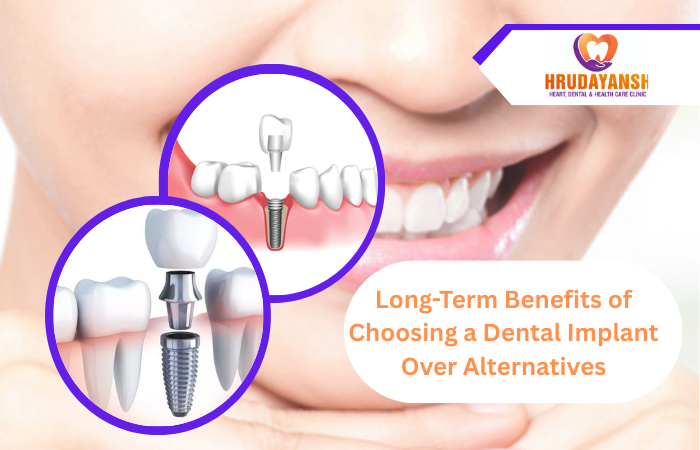
A dental implant is a titanium screw surgically placed into the jawbone, acting as an artificial tooth root. Over time, it fuses with the bone through a process called osseointegration, providing a sturdy foundation for a crown, bridge, or denture.

Unlike dentures or bridges, implants do not rely on adjacent teeth for support, preserving the health and structure of your natural teeth.

Why Consider Dental Implants Over Alternatives?

  1. Longevity and Durability

Dental implants are designed to last a lifetime with proper care, whereas bridges and dentures typically need replacement every 5–15 years. This longevity makes implants a cost-effective choice in the long run.

  1. Preservation of Jawbone Health

When a tooth is lost, the jawbone begins to deteriorate due to lack of stimulation. Dental implants mimic natural tooth roots and stimulate the bone, preventing bone loss and maintaining facial structure.

  1. Natural Look and Feel

Implants are custom-made to match your natural teeth in color, shape, and size. They feel more comfortable and stable than removable dentures, restoring your ability to speak and chew with confidence.

  1. No Impact on Adjacent Teeth

Traditional bridges require grinding down healthy neighboring teeth to anchor the bridge. Implants stand independently, preserving the integrity of your remaining teeth.

  1. Improved Oral Hygiene

Dental implants are easy to clean and maintain like natural teeth, reducing the risk of cavities and gum disease that can affect dentures or bridges.

Long-Term Health Benefits

  • Prevention of Bone Loss: As mentioned, implants help maintain jawbone density, which is vital for facial aesthetics and dental health.
  • Better Digestion: Implants restore proper chewing ability, aiding in better digestion and nutrient absorption.
  • Speech Improvement: Unlike dentures, implants do not slip, enabling clearer and more confident speech.
  • Reduced Risk of Gum Disease: Implants do not irritate gums the way ill-fitting dentures can, lowering inflammation risks.

Patient Experience at Hrudayansh Clinic, Baner

At Hrudayansh Clinic, we prioritize patient comfort and tailored treatment plans. Under the skilled hands of Dr. Mrunal Nalawade, every dental implant procedure is carried out with precision and care, using the latest technology to ensure optimal outcomes.

Patients often share how implants have transformed their daily lives—from enjoying favorite foods again to regaining their confidence in social settings.

 The Lasting Solution for a Healthy, Confident Smile

Choosing a dental implant over other tooth replacement options offers undeniable long-term benefits—from improved oral health and aesthetics to lasting durability and comfort.

If you’re considering restoring your smile, consult Dr. Mrunal Nalawade at Hrudayansh Clinic ,Baner, to learn how dental implants in Baner can be the perfect solution for you.

Frequently Asked Questions (FAQs)

  1. How long does a dental implant procedure take?
    The process typically takes several months, including implant placement and healing time before the crown is attached.
  2. Are dental implants painful?
    Most patients experience minimal discomfort, managed easily with local anesthesia and post-operative care.
  3. Can anyone get dental implants?
    Most healthy adults are candidates, but bone density and overall health are factors. A thorough dental evaluation is necessary.
  4. How do I care for dental implants?
    Regular brushing, flossing, and dental check-ups keep implants healthy, just like natural teeth.
  5. Are dental implants expensive?
    While the initial cost is higher than other options, implants’ durability often makes them more cost-effective over time.

Angioplasty Procedure for Heart Blockages

Blocked arteries are one of the major causes of chest pain, heart attacks, and long-term cardiac issues. One of the most effective treatments for restoring blood flow and preventing serious complications is angioplasty.

In this comprehensive blog, we’ll explore what angioplasty is, when it is recommended, the associated risks, and how recovery typically unfolds.

What is Angioplasty?

Angioplasty is a minimally invasive cardiac procedure that opens narrowed or blocked coronary arteries. This allows blood to flow more freely to the heart muscle, alleviating symptoms and reducing the risk of heart attack.

Key Steps in the Procedure:

  • A catheter is inserted through a blood vessel in the wrist or groin.
  • A small balloon is inflated at the site of the blockage.
  • In most cases, a stent (a wire mesh tube) is placed to keep the artery open.

This is typically performed under local anesthesia and is much less invasive than open-heart surgery.

When Is Angioplasty Needed?

Angioplasty is typically recommended for patients who have:

  • Significant coronary artery disease (CAD)
  • Unstable angina (chest pain)
  • Heart attack (as an emergency treatment)
  • Shortness of breath or fatigue caused by blocked arteries
  • Ineffective results from medication or lifestyle changes alone

Potential Risks of Angioplasty

While angioplasty is generally safe, it does carry certain risks, especially in elderly patients or those with multiple comorbidities.

Possible Complications:

  • Bleeding or infection at the catheter site
  • Re-narrowing of the artery (restenosis)
  • Blood clots forming in the stent
  • Allergic reaction to contrast dye
  • Kidney function issues (due to dye used in the procedure)
  • Rarely, heart attack or stroke during the procedure

These risks are minimized when the procedure is performed by experienced specialists in a well-equipped cardiac care center.

Recovery After Angioplasty

 Hospital Stay

Most patients are discharged within 24 to 48 hours after the procedure, unless there are complications.

Physical Activity

  • Avoid strenuous activity for 1 to 2 weeks.
  • Gentle walking is usually encouraged after a few days.

Medication

  • Patients are prescribed blood thinners and cholesterol-lowering medications.
  • It’s critical to take medicines regularly and as directed to avoid stent blockage or clotting.

Diet & Lifestyle

  • Shift to a low-fat, low-salt, heart-healthy diet.
  • Quit smoking and limit alcohol intake.
  • Manage blood pressure, diabetes, and stress.

Life After Angioplasty

Angioplasty offers rapid relief from chest discomfort and fatigue, and many patients resume normal life within weeks. However, it is not a cure—it is a management tool for heart disease.

Long-Term Heart Care Includes:

  • Regular follow-ups with your cardiologist
  • Yearly ECGs, stress tests, and lipid profiles
  • Ongoing commitment to a healthy lifestyle
  • Close monitoring of other conditions like diabetes or hypertension

 Meet Your Heart Care Expert

Dr. Digvijay Nalawade
Consultant Cardiologist – Hrudayansh Clinic, Pune
Expert in Angioplasty, Heart Attack Management & Preventive Cardiology

Precision diagnosis
Personalized recovery plans
Patient-focused, compassionate care

At Hrudayansh Clinic, we focus not only on treatment but also on long-term heart wellness.

Book your consultation today and begin your journey to a stronger, healthier heart.

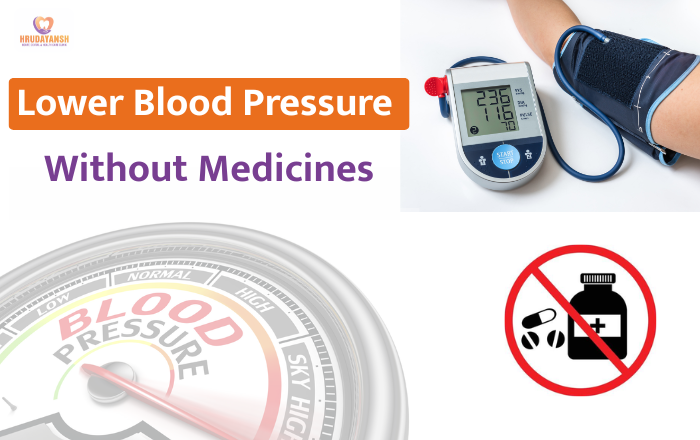
How to Lower Blood Pressure Without Medication

High blood pressure, also known as hypertension, affects millions of people around the world. If you’ve been wondering how to lower blood pressure without medication, you’re not alone. Many people are looking for natural, safe ways to manage their blood pressure—without depending only on pills.

The good news? With some simple lifestyle changes, you can bring your blood pressure down and feel better each day. In this blog, we’ll share practical, proven methods to reduce high blood pressure naturally. These tips are easy to follow and can make a big difference over time.

What Is High Blood Pressure?

Blood pressure is the force of blood pushing against the walls of your arteries. When this pressure stays high for a long time, it can damage your heart and other organs. That’s when it becomes a serious health concern.

Why It Matters:

  • It can lead to heart disease and stroke.
  • It often has no clear symptoms.
  • It can be controlled with daily habits and awareness.

Simple Lifestyle Changes to Lower Blood Pressure Naturally

1. Cut Down on Salt

Too much salt in your diet can raise your blood pressure. The extra sodium causes your body to hold more water, which puts more pressure on your blood vessels.

What You Can Do:

  • Avoid processed and packaged foods.
  • Choose low-sodium options when shopping.
  • Use herbs, lemon, and spices for flavor instead of salt.

2. Move More Every Day

Exercise helps your heart pump more efficiently, which can lower the pressure on your arteries.

Try This:

  • Brisk walking for 30 minutes a day, five times a week.
  • Swimming, cycling, or dancing if walking isn’t your thing.
  • Light stretching and yoga for stress relief and flexibility.

3. Eat Foods That Are Good for Your Heart

A healthy diet is one of the best ways to control blood pressure. The DASH (Dietary Approaches to Stop Hypertension) diet and Mediterranean diet are both helpful.

Focus on:

  • Fresh fruits and vegetables
  • Whole grains like oats and brown rice
  • Nuts, seeds, and legumes
  • Fatty fish like salmon
  • Low-fat dairy

Avoid fried foods, red meat, and sugary snacks.

4. Maintain a Healthy Weight

Being overweight makes your heart work harder, which can raise blood pressure. Losing even a few kilos can make a big difference.

How to Get Started:

  • Keep a food and activity journal.
  • Watch portion sizes and eat mindfully.
  • Get support from family or friends.

5. Limit Alcohol and Stop Smoking

Alcohol: Drinking too much alcohol can raise your blood pressure over time. Limit your intake to:

  • 1 drink per day for women
  • 2 drinks per day for men

Smoking: Every cigarette raises your blood pressure for several minutes. Quitting smoking helps your heart and lungs recover quickly.

6. Manage Stress Naturally

Long-term stress may lead to habits (like overeating or drinking) that increase blood pressure. Learning to relax your body and mind can help keep your pressure in check.

Try This:

  • Deep breathing or meditation
  • Listening to calming music
  • Spending time outdoors
  • Journaling or quiet reflection

Supplements and Herbs: Do They Work?

Some natural supplements have shown promise in supporting healthy blood pressure levels.

Common Ones:

  • Garlic: Known to relax blood vessels
  • Omega-3 fatty acids: Found in fish oil
  • Magnesium: Supports heart rhythm
  • Hibiscus tea: May reduce blood pressure when consumed regularly

👉 Important: Always check with a doctor before starting any supplement, especially if you are already taking medications.

Track Your Blood Pressure at Home

Keeping an eye on your blood pressure helps you notice patterns and understand what works for you.

How to Do It Right:

  • Use a digital blood pressure monitor
  • Check at the same time every day
  • Sit quietly for 5 minutes before measuring

Write down your results and bring them to your check-ups.

When to See a Doctor

Even if you’re doing all the right things, it’s still important to talk to a doctor—especially if:

  • Your readings are consistently above 140/90
  • You feel dizzy, short of breath, or experience chest pain
  • Lifestyle changes don’t seem to be enough

Regular health check-ups are key to preventing serious problems.

Need Support? Visit a Trusted Cardiologist in Baner

If you’re looking for someone to guide you in managing your heart health naturally and safely, consider visiting
Dr. Digvijay D Nalawade at Hrudayansh Clinic, a well-known cardiologist in Baner.

He can help you understand your condition better and suggest the right steps—whether it’s lifestyle changes or medical support—to manage your blood pressure the right way.

Frequently Asked Questions (FAQ)

1. Can I stop my blood pressure medicine if I follow a healthy lifestyle?
No. Always speak with your doctor before stopping any medication. In some cases, lifestyle changes may reduce your need for medicine, but only your doctor can decide that.

2. What is the fastest natural remedy for high blood pressure?
While nothing works instantly, drinking water, deep breathing, and taking a walk can lower blood pressure slightly in the short term.

3. How much exercise do I need to lower blood pressure?
Try to get at least 30 minutes of moderate activity (like walking or cycling) five days a week.

Changing your lifestyle may seem hard at first, but small steps can make a big difference. When you eat better, move more, and handle stress calmly, you’re not just lowering your blood pressure—you’re improving your entire life.

If you’re ready to take the next step in managing your blood pressure naturally, don’t hesitate to consult with Dr. Digvijay D Nalawade at Hrudayansh Clinic, a trusted cardiologist in Baner.

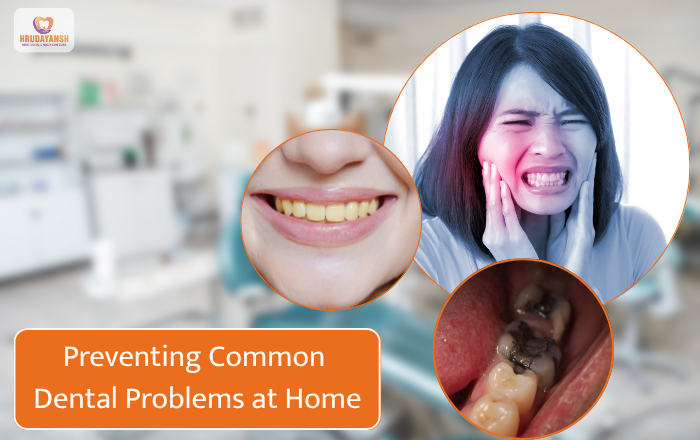
Common Dental Problems and How to Prevent Them at Home

Have you ever felt a sharp pain while sipping something cold or noticed bleeding while brushing your teeth? These small signs may point to common dental problems that many people face daily. The good news is—most of these issues can be prevented with a few simple steps at home.

Taking care of your teeth doesn’t always mean spending long hours at the clinic. With regular habits and some attention, you can keep your smile healthy and avoid many common issues. In this blog, we’ll walk you through the most frequent dental problems and how you can deal with them right from your home using easy methods.

1.Tooth Decay: The Silent Destroyer

Tooth decay, also known as cavities, is one of the most common dental problems. It happens when plaque—a sticky film of bacteria—builds up on your teeth and breaks down the enamel.

What causes tooth decay?

  • Eating too many sugary or starchy foods
  • Poor brushing and flossing habits
  • Not drinking enough water

Signs to watch for:

  • Toothache or sensitivity
  • Dark spots on teeth
  • Bad breath

How to prevent it at home:

  • Brush twice a day with fluoride toothpaste
  • Floss daily to clean between teeth
  • Rinse with plain water after meals
  • Limit sugary snacks and drinks

2.Gum Disease: More Serious Than You Think

Gum disease starts as gingivitis and can worsen into periodontitis if not treated early. It affects the tissues that support your teeth and can lead to tooth loss if ignored.

Early signs:

  • Swollen, red, or bleeding gums
  • Bad breath
  • Gums pulling away from the teeth

Home prevention tips:

  • Brush gently along the gumline
  • Use an antibacterial mouth rinse
  • Avoid smoking or chewing tobacco
  • Eat a balanced diet rich in vitamins C and D

3.Tooth Sensitivity: Why It Hurts and What You Can Do

Tooth sensitivity can make everyday activities like eating ice cream or drinking tea uncomfortable. It usually occurs when the protective layer of enamel wears off or gums recede.

Common causes:

  • Using a hard-bristled toothbrush
  • Brushing too hard
  • Acidic foods and drinks

Simple home solutions:

  • Use a soft-bristled toothbrush
  • Try toothpaste for sensitive teeth
  • Avoid overly hot or cold foods
  • Rinse with warm saltwater

4.Bad Breath (Halitosis): More Than Just a Nuisance

Bad breath can be embarrassing, but it’s often caused by simple issues like poor dental hygiene or dry mouth.

Common causes:

  • Food particles stuck between teeth
  • Dry mouth from not drinking enough water
  • Coated tongue

How to keep your breath fresh at home:

  • Brush your tongue daily
  • Drink plenty of water
  • Chew on fresh herbs like mint or parsley
  • Rinse with a saltwater solution

5.Tooth Grinding (Bruxism): What to Do at Home

Grinding or clenching your teeth, especially during sleep, can wear down your teeth and cause jaw pain.

Signs of bruxism:

  • Morning headaches
  • Jaw or facial soreness
  • Worn-down teeth

At-home tips:

  • Practice stress-relief methods like deep breathing
  • Apply a warm compress to your jaw
  • Consider wearing a night guard (available over-the-counter)
  • Avoid caffeine and alcohol before bed

Daily Habits That Protect Your Smile

Small steps every day can go a long way in keeping your teeth and gums healthy.

Healthy daily routine:

  • Brush twice a day for at least two minutes
  • Floss once daily to remove trapped food
  • Replace your toothbrush every 3 months
  • Avoid frequent snacking between meals
  • Visit your dentist twice a year

When Home Care Isn’t Enough

While home care helps with prevention, some dental issues need professional attention. If you experience constant pain, swelling, or bleeding that doesn’t go away, don’t delay a dental checkup. Early treatment can save your teeth and help avoid more discomfort.

FAQs

Q1: How can I prevent cavities without going to the dentist?
Brush with fluoride toothpaste, floss daily, and avoid sugary foods and drinks.

Q2: What is the best home remedy for bleeding gums?
Rinsing with warm saltwater, brushing gently, and eating foods rich in vitamin C can help.

Q3: How can I treat bad breath naturally?
Drink plenty of water, clean your tongue, and rinse your mouth with saltwater or herbal solutions.

Visit Dr. Mrunal Nalawade – Dentist in Baner

If you’re in Pune and searching for a trusted dentist, visit Dr. Mrunal Nalawade at Hrudayansh Dental Clinic in Baner. Whether it’s a routine cleaning or something more, Dr. Nalawade can help you take the next step toward a healthier smile.

How Stress Affects Your Heart (And How to Manage It Naturally)

Have you ever felt your heart race before a big meeting or during an argument? That pounding in your chest—that’s your body reacting to stress. While occasional stress is normal, too much of it can take a toll on your heart.

In this article, we’ll explore how stress affects your heart, the signs you shouldn’t ignore, and simple ways to manage stress for better heart health. If you’ve ever wondered whether your busy lifestyle might be affecting your heart, you’re in the right place.

How Stress Affects Your Heart (What Really Happens)

What Happens Inside Your Body?

When you’re stressed, your body goes into what’s called the “fight or flight” mode. It’s a natural response designed to protect you. Your brain sends signals that release hormones like cortisol and adrenaline. These hormones make your heart beat faster, raise your blood pressure, and narrow your blood vessels.

In the short term, this reaction helps you deal with challenges. But if you’re constantly under pressure, your body stays in that stressed state for too long—and that’s when problems start.

The Long-Term Effects of Chronic Stress

Living with long-term stress can lead to:

  • High blood pressure
  • Irregular heartbeat
  • Increased risk of heart attack
  • Build-up of plaque in the arteries
  • Poor sleep and fatigue
  • Unhealthy habits like overeating or smoking

When stress becomes a part of your daily life, your heart works harder than it should. Over time, this may lead to more serious heart problems.

How to Manage Stress to Protect Your Heart

The good news? There are simple, everyday ways to reduce stress and help your heart stay strong.

Lifestyle Changes That Can Help

1. Deep Breathing and Meditation
Even just five minutes of slow, deep breathing each day can help calm your mind and lower your heart rate. Meditation and mindfulness practices are also great for staying focused and reducing anxiety.

2. Get Moving
Regular physical activity—like walking, cycling, or dancing—helps release “feel-good” hormones and lowers stress levels. Aim for at least 30 minutes a day, most days of the week.

3. Eat Heart-Healthy Foods
What you eat affects how you feel. Try to eat more vegetables, fruits, whole grains, and healthy fats like nuts and olive oil. Cut back on processed and fried foods.

4. Get Enough Sleep
Lack of sleep can make stress worse. Try to get 7–9 hours of restful sleep every night. Turn off screens an hour before bed, and keep your room cool and quiet.

5. Set Boundaries
Don’t feel guilty about saying no. It’s okay to protect your time and energy. Try not to take on more than you can handle, especially at work or in your personal life.

When to See a Cardiologist

While stress can cause many temporary symptoms, it’s important to know when to seek help. Sometimes, stress-related symptoms may feel like heart problems—or even hide serious issues.

Watch Out for These Warning Signs:

  • Chest pain or tightness
  • Shortness of breath
  • Frequent heart palpitations
  • Dizziness or extreme fatigue
  • Sudden changes in heart rhythm

If you notice any of these signs, it’s time to talk to a heart specialist.

Dr. Digvijay D. Nalawade is a trusted Cardiologist In Baner,at Hrudayansh Clinic. He helps patients understand the connection between stress and heart symptoms, and offers guidance based on what they really need.

FAQs: Common Questions About Stress and Heart Health

Q1: Can stress really cause a heart attack?
Yes, in some cases. Long-term stress can lead to high blood pressure, blocked arteries, and heart rhythm problems—all of which increase the risk of a heart attack.

Q2: What are signs that stress is affecting my heart?
You may feel your heart beating fast, have chest discomfort, or feel breathless even when you’re resting. It’s best to get checked if these symptoms keep coming back.

Q3: How quickly can I reduce my stress levels?
Small steps like deep breathing, going for a walk, or listening to music can help within minutes. Long-term habits like good sleep and exercise work even better over time.

Small Changes Today Can Protect Your Heart Tomorrow

Stress is part of life, but it doesn’t have to control your heart. With a few small changes—like better sleep, healthier meals, and daily movement—you can take care of your heart and feel more at ease.

If you’re noticing symptoms that could be related to stress or heart health, don’t wait. Dr. Digvijay D. Nalawade, a caring Cardiologist in Baner, is available at Hrudayansh Clinic to help you understand what’s going on and take the next step toward better health.

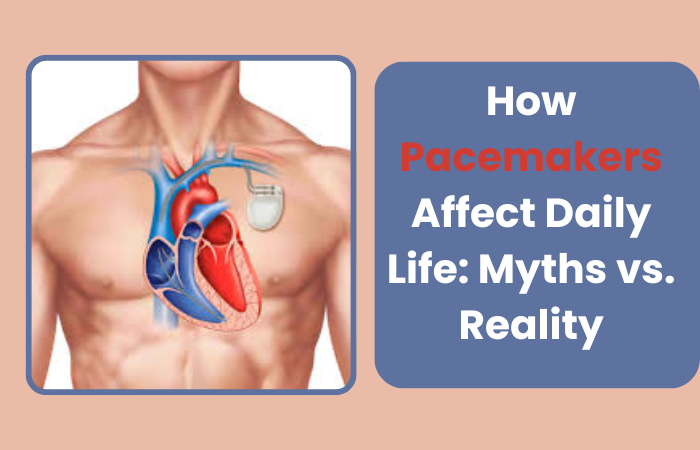
How Pacemakers Affect Daily Life: Myths vs. Reality

Pacemakers are small, life-saving devices implanted to regulate irregular heart rhythms, ensuring the heart beats at a normal rate. Despite their prevalence and the vital role they play, numerous myths surround pacemakers, leading to misconceptions about their impact on daily life. This blog aims to debunk these myths and shed light on the realities of living with a pacemaker.

Myth 1: Pacemakers Are Only for the Elderly

It’s a common belief that pacemakers are exclusively for older adults. However, heart rhythm disorders can affect individuals of all ages, including children and young adults. Conditions such as congenital heart defects, arrhythmias, and heart block may necessitate the implantation of a pacemaker, irrespective of age.

Myth 2: Having a Pacemaker Means a Limited Lifestyle

Many fear that a pacemaker will restrict their daily activities and hobbies. In reality, modern pacemakers are designed to adapt to the body’s needs, allowing individuals to maintain active lifestyles. Post-recovery, patients can often return to exercises, travel, and other activities they enjoyed before the implantation. Doctors may recommend avoiding contact sports, but most other physical activities are completely safe.

Myth 3: Pacemaker Surgery Is Dangerous and Risky

The thought of heart surgery can be daunting, leading to concerns about the risks involved. While all medical procedures carry some risk, pacemaker implantation is generally considered safe and routine. The surgery is minimally invasive, often performed under local anesthesia, and most patients are discharged within a day. Recovery time is short, with many resuming normal activities within a few weeks.

Myth 4: Pacemakers Frequently Malfunction

Some individuals worry about the reliability of pacemakers. However, these devices are built with stringent quality controls and are highly dependable. Regular check-ups ensure that the pacemaker functions correctly, and advancements in technology have significantly reduced malfunction rates. Additionally, pacemakers come with a built-in battery that lasts between 5 to 15 years, and doctors can replace it when needed.

Myth 5: Pacemakers Interfere with Electronic Devices

There’s a lingering concern that pacemakers can be disrupted by common household electronics, such as microwaves. While earlier models required caution, modern pacemakers are shielded against electromagnetic interference, making it safe to use most electronic appliances, including mobile phones and kitchen appliances. However, high-powered magnets and certain medical procedures like MRI scans require special precautions.

Myth 6: You Can’t Travel or Go Through Airport Security with a Pacemaker

Traveling with a pacemaker is entirely feasible. Patients are advised to carry a pacemaker identification card and inform security personnel at airports. While metal detectors may detect the device, alternative screening methods are available to ensure a smooth process. Additionally, most modern pacemakers are designed to withstand exposure to common security screening methods.

Reality: Living a Full Life with a Pacemaker

A pacemaker not only stabilizes heart rhythms but also enhances overall heart function, reducing the risk of complications like heart failure. By preventing arrhythmias, the device significantly improves survival rates for patients with heart rhythm disorders. With proper medical care and lifestyle adjustments, most individuals with pacemakers can lead active, fulfilling lives.

Managing Your Health with a Pacemaker

To ensure your pacemaker functions optimally, follow these key recommendations:

  • Regular Check-Ups: Schedule routine visits with your cardiologist to monitor the pacemaker’s performance.
  • Medication Adherence: Follow prescribed medications to support heart health.
  • Stay Active: Engage in doctor-approved exercises to maintain cardiovascular fitness.
  • Monitor Symptoms: Report any unusual symptoms such as dizziness, shortness of breath, or fainting to your doctor.
  • Avoid Strong Magnetic Fields: Keep away from high-powered magnets and inform medical professionals about your pacemaker before undergoing procedures like MRI scans.

Consulting a Cardiologist 

If you or a loved one are considering a pacemaker or have concerns about heart health, consulting a qualified cardiologist is crucial. In Pune, Dr. Digvijay D Nalawade is a renowned cardiologist known for his expertise and compassionate care. With extensive experience in interventional cardiology, Dr. Nalawade offers comprehensive cardiac care, ensuring patients receive personalized treatment plans tailored to their needs.

Living with a pacemaker is not as restrictive as many believe. By debunking these myths, we hope to provide clarity and reassurance to those considering or already living with a pacemaker. With modern advancements and proper medical guidance, individuals with pacemakers can lead active, fulfilling lives. If you need expert advice, consulting a leading cardiologist in Pune like Dr. Digvijay D Nalawade can help you navigate your heart health journey with confidence.


Comparing Angioplasty and Bypass Surgery: Which is Right for You?

Cardiovascular diseases are among the leading causes of mortality worldwide. If you’ve been diagnosed with coronary artery disease (CAD), your doctor might suggest either angioplasty or bypass surgery. But how do you decide which is the best option for you? Let’s dive into the details of both procedures and understand their differences, benefits, and risks.

What is Angioplasty?

Angioplasty, also known as percutaneous coronary intervention (PCI), is a minimally invasive procedure used to open blocked or narrowed arteries. It involves inserting a catheter with a small balloon at the tip into the affected artery. Once in place, the balloon is inflated to widen the artery, often accompanied by the placement of a stent to keep it open.

Benefits of Angioplasty:

  • Minimally Invasive: No major incisions, leading to quicker recovery.
  • Shorter Hospital Stay: Most patients are discharged within a day or two.
  • Immediate Symptom Relief: Rapid improvement in blood flow reduces chest pain (angina) and breathlessness.
  • Lower Risk of Complications: Compared to open-heart surgery, angioplasty has fewer risks of infection and complications.

Risks of Angioplasty:

  • Restenosis: In some cases, arteries may narrow again despite stent placement.
  • Blood Clots: Can form around the stent, leading to further blockage.
  • Not Suitable for Severe Blockages: If multiple arteries are blocked, angioplasty may not be the best choice.

What is Bypass Surgery?

Coronary artery bypass grafting (CABG) is a surgical procedure used to treat severe coronary artery disease. It involves creating a new route for blood flow by grafting a healthy artery or vein from another part of the body to bypass the blocked coronary artery.

Benefits of Bypass Surgery:

  • Effective for Multiple Blockages: Best for patients with complex CAD or severe artery narrowing.
  • Long-Term Solution: Offers lasting benefits compared to angioplasty, reducing the need for repeat procedures.
  • Reduced Risk of Heart Attack: Bypass surgery can significantly lower the chances of future cardiac events.

Risks of Bypass Surgery:

  • Major Surgery: Requires general anesthesia and an extended hospital stay.
  • Longer Recovery Time: Full recovery may take several weeks to months.
  • Higher Initial Risk: Includes risks like infection, blood clots, and stroke.

Which Procedure is Right for You?

The decision between angioplasty and bypass surgery depends on several factors, including:

  • Severity and Location of Blockages: If you have single or minor blockages, angioplasty may be sufficient. For multiple or complex blockages, bypass surgery is recommended.
  • Overall Health Condition: Patients with diabetes, weak heart function, or extensive coronary disease often benefit more from bypass surgery.
  • Recovery Preference: If you prefer a shorter recovery time, angioplasty might be a better choice.

Consult a Cardiologist in Baner for the Best Advice

Choosing the right treatment requires expert guidance. If you’re in Baner and seeking the best cardiac care, consult Dr. Digvijay D. Nalawade at Hrudayansh Clinic, a highly experienced cardiologist in Baner. He can assess your condition and recommend the most suitable treatment plan to ensure your heart health.

Don’t wait—prioritize your heart health today!

Social media & sharing icons powered by UltimatelySocial